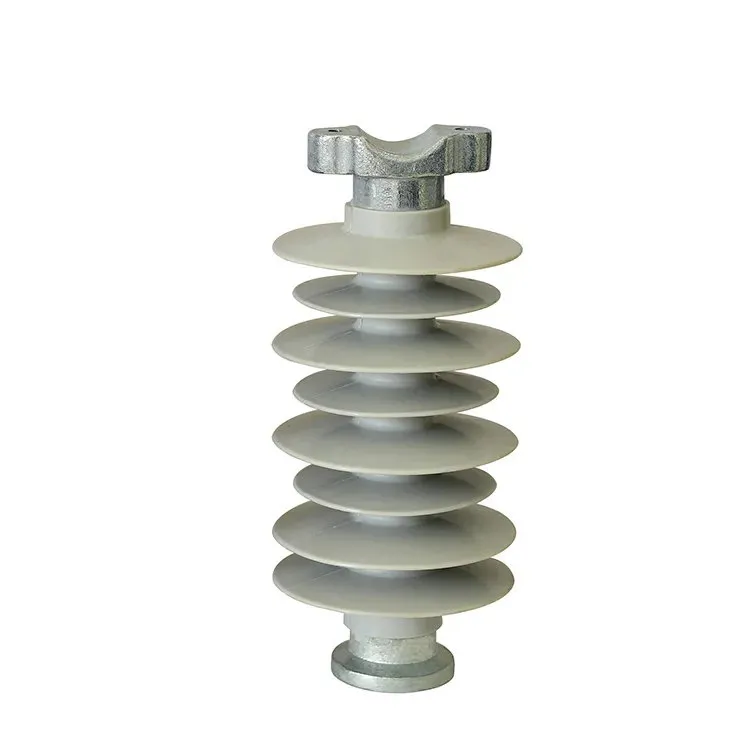


A polymer pin insulator RFQ can stall when a folder contains attractive site photographs but no way to connect each view to a structure, interface, drawing, or open question. A photograph is useful evidence of what is visible at a location; it is not a substitute for a rating schedule, controlled drawing, or test record. That distinction matters because IEC 61109:2025 and IEC 62217:2025 define test methods and acceptance criteria for covered composite and polymeric insulators, while IEC TS 60815-3:2025 addresses selection and dimensions for polluted outdoor conditions. The practical question is therefore narrower: which photographs help a bidder resolve an interface question, and which unknowns must remain open for a drawing or qualified review?
Which question should each requested photograph answer?
Write the question before the site visit. Useful prompts include “What mounting arrangement is visible at structure S-14?”, “Where is the existing identification mark located?”, or “Does the accessible hardware interface differ from drawing DR-07 revision B?” A broad request for “photos of the insulator” produces a gallery but not a controlled RFQ record. A focused prompt tells the photographer what to include and tells the reviewer what conclusion is allowed.
- State the location, structure or circuit reference, and the related RFQ or drawing line.
- Name the visible feature required: mounting face, conductor position, hardware interface, marking, clearance context, or discrepancy.
- Record the viewpoint and any obstruction, distance, or access limitation.
- Keep unknown dimensions and hidden materials explicitly marked for document review.
How should the RFQ identify and control each image?
A filename alone is weak evidence. Use an image register that preserves the original file name and adds a stable photo ID, location, date, viewpoint, purpose, related drawing revision, and reviewer status. If the image was cropped or annotated, retain the original alongside the working copy. This allows each bidder to see the same record and prevents a later crop from being mistaken for the complete site condition.
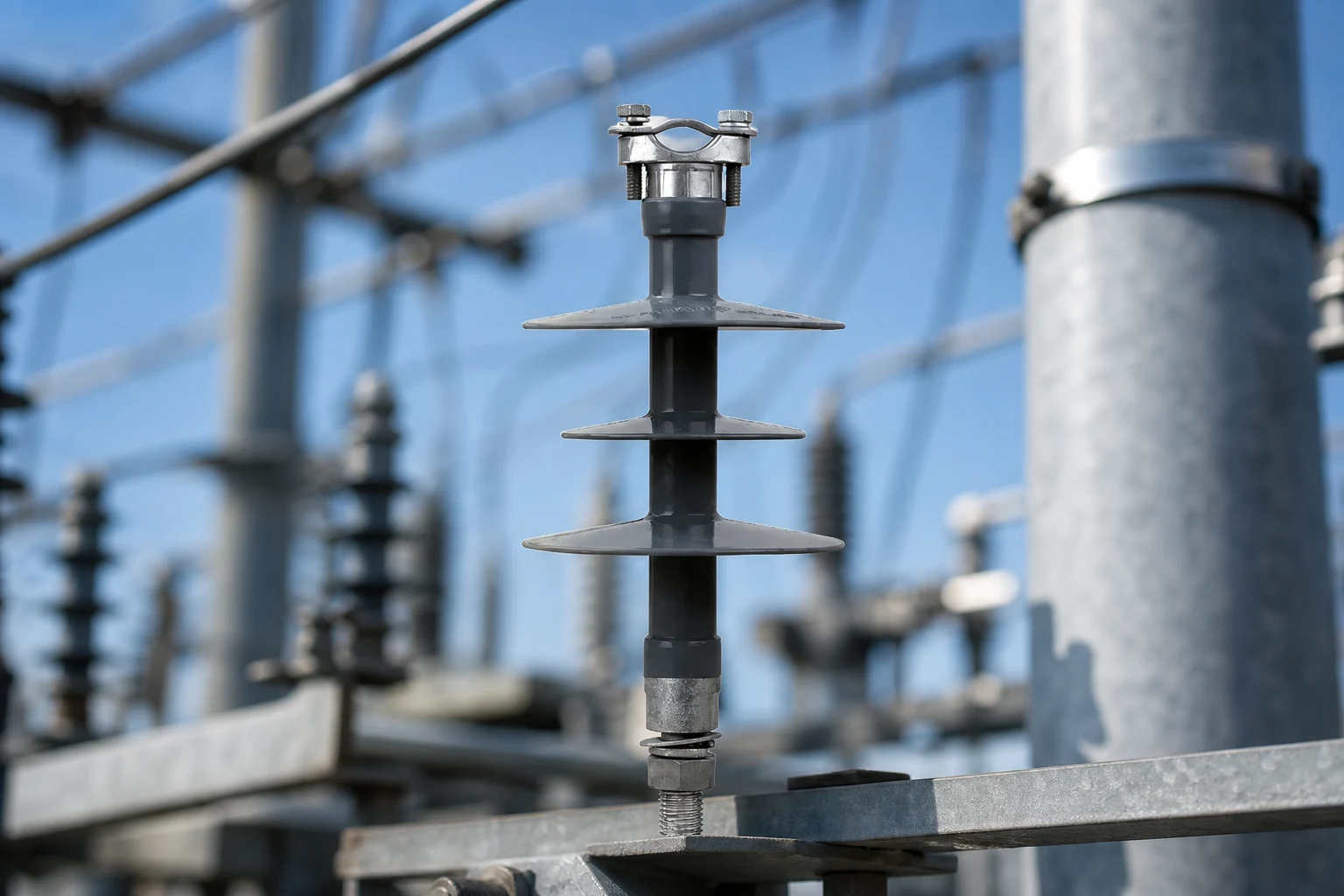
| Register field | What to record | Mengapa hal ini penting |
|---|---|---|
| Photo ID and original file | Stable ID, filename, date and time | Preserves chain of reference |
| Location and viewpoint | Structure, circuit, orientation and access limits | Connects visible evidence to the site |
| Question and drawing link | RFQ line, drawing number and revision | Defines the permitted use |
| Visible fact and limitation | What is shown and what is hidden or unreadable | Prevents unsupported inference |
| Response and close-out | Supplier reference, reviewer, status and date | Shows whether the question is closed |
Which visible views are useful, and which details need a drawing?
Take an establishing view that shows the structure or assembly context, a medium view that shows the mounting arrangement, and a close view for accessible markings or interfaces. The record should describe obstructions, glare, vegetation, distance, and whether a feature is only partially visible. A scale reference may help communicate relative position, but it does not create a certified dimension. Ask for an approved outline or interface drawing whenever the RFQ depends on a hole pattern, thread, conductor position, material, creepage requirement, mechanical load, or electrical rating that the photograph cannot verify.
Pollution-related selection also needs a documented site basis. IEC TS 60815-3:2025 describes using site pollution severity, reference unified specific creepage distance, profile guidance, and correction factors for outdoor polymer insulators. A photograph can show environmental context, but it cannot by itself establish the applicable class or calculation. For a related comparison of physical forms, see polymer pin versus disc insulators; use the comparison to frame questions, not to infer compatibility from appearance.
How should an installed item be kept separate from an offered model?
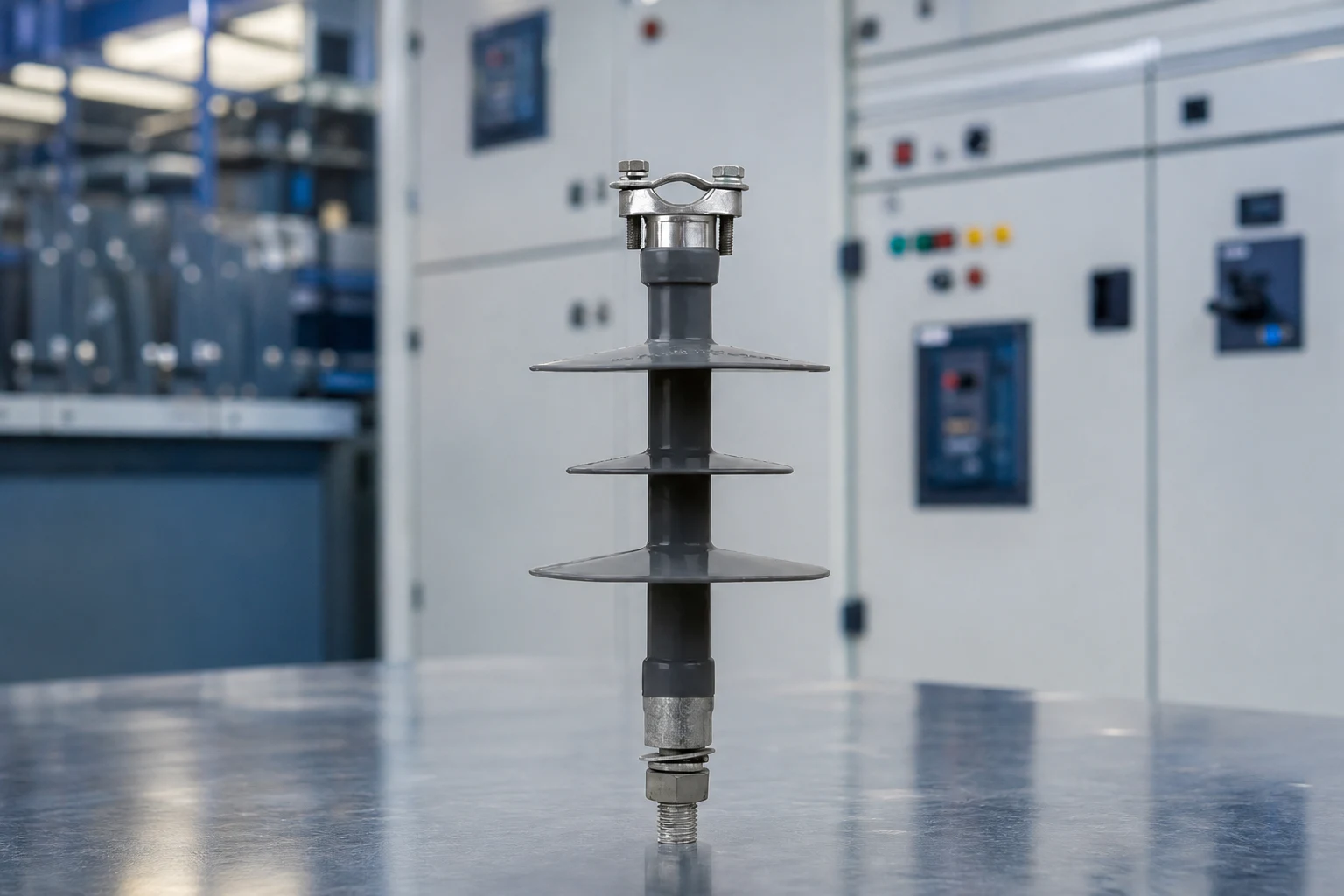
Label the photograph as “installed condition” and label the quotation as “offered configuration.” Record any visible mark exactly as seen, including uncertainty, and ask the supplier to identify the offered model, revision, interfaces, and supporting documents in its response. Do not call a model a replacement because its silhouette, shed count, or colour looks similar. The supplier’s identity should be tied to a controlled drawing and the buyer’s stated duty; a public product image is only a discovery aid.
When should a photo question be closed before award?
Close the line only when the answer cites the controlling source or when the responsible reviewer records a defined limitation and next action. A response such as “looks compatible” is not a controlled close-out. The RFQ should show whether the supplier answered from a drawing, data sheet, test evidence, or a clarification, and whether the buyer accepted that source for the stated scope. Keep unanswered lines visible in the bid evaluation so they cannot disappear into an attachment folder.
For a model-specific inquiry after the record is complete, use the FUERTE FPQ3-10-4T route or the relevant product page and request the documents needed for the actual duty. The route supports a defined question; it does not replace the buyer’s engineering review.
FAQ: What do buyers usually ask about site-photo RFQs?
Can a site photo prove a polymer pin insulator’s electrical rating?
No. It can document visible identity or arrangement. Ratings and acceptance require the applicable specification, controlled product identity, and supporting test or manufacturer documents.
Which views should a buyer request first?
Start with an establishing view, a mounting-interface view, and a readable marking or hardware view, each tied to a location and a specific RFQ question.
Should a buyer estimate a hidden dimension from a photograph?
No. Mark the dimension as unknown and request a controlled drawing, dimensional record, or supplier clarification.
Can a photograph approve a replacement model?
No. The offered model must be identified and reviewed against the required mechanical, electrical, environmental, and interface conditions.
Summary: What should a polymer pin insulator site-photo package prove?
The package should make visible, location-specific facts traceable: the structure or circuit reference, the installed arrangement, accessible mounting and hardware interfaces, visible identification, the camera viewpoint, and the drawing or RFQ line that prompted the image. It should also state what the image cannot show. The short answer is to request photographs for one defined question at a time, preserve the original file and date, and send unresolved dimensions, materials, pollution conditions, and electrical duties to the controlled technical documents. A polymer pin insulator RFQ can then be compared on the same evidence basis without treating a similar-looking product as an approved replacement. The resulting site-photo register should point to the controlled drawing or clarification that closes each question.
For product-family context, the KUAT polymer insulator jangkauan is a route for requesting model-specific documentation, not proof that a listed model matches an installed assembly. IEC 62217:2025 covers general definitions, design tests, and acceptance or failure criteria for polymeric insulators used in overhead lines and substations. IEC 61109:2025 covers composite suspension and tension insulators and likewise specifies definitions, test methods, and acceptance criteria. Neither standard turns a field photograph into a type-test record.
Evidence boundary: a site-photo record supports identification of visible conditions and interfaces. It does not authorize selection, installation, energization, or acceptance. The owner’s process and qualified responsible personnel must make those decisions.
Conclusion: How can a buyer make site photos ready for engineering review?
A ready for engineering review photo set is a controlled evidence register, not a collection of attractive images. First define the RFQ question and location; then preserve the original file, viewpoint, visible fact, and limitation; finally connect the answer to the current drawing, offered identity, and responsible review. Use photographs to resolve what can actually be seen, and move ratings, pollution selection, hidden dimensions, and acceptance claims to the applicable standards and manufacturer documents. That sequence prevents a similar-looking polymer pin insulator from being treated as a confirmed replacement. FUERTE’s polymer-insulator route can support a model-specific document request after those conditions are recorded, while the buyer retains responsibility for the final technical and installation decision.