
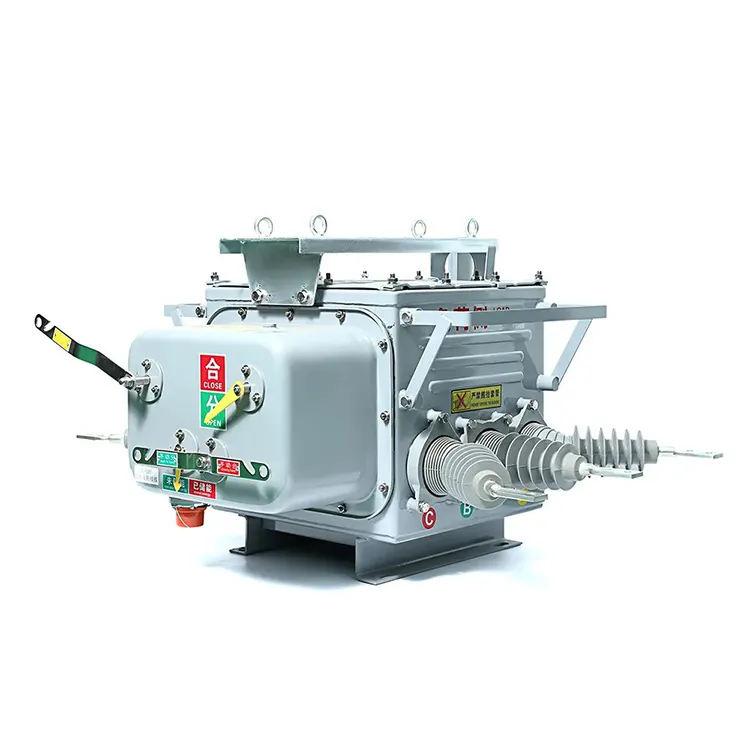
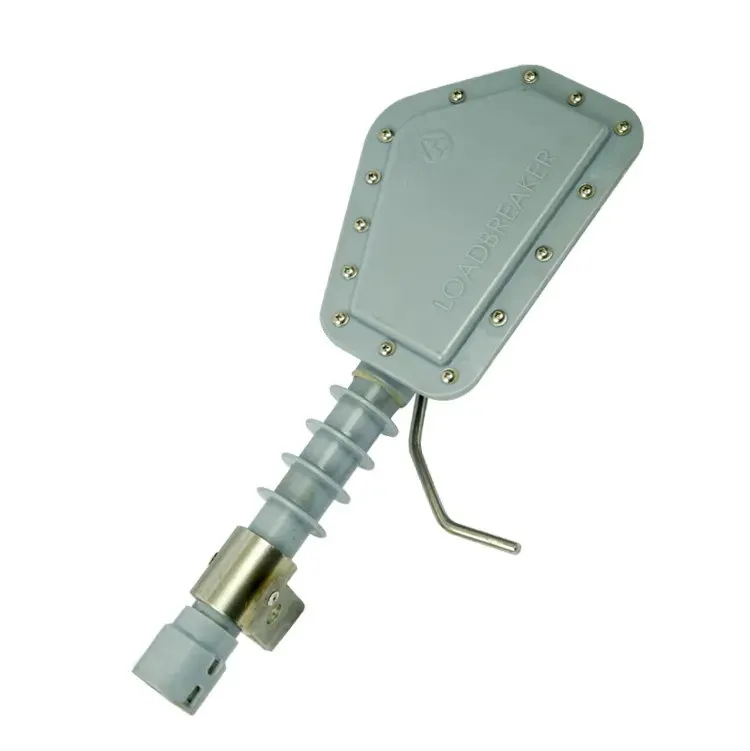


Selecting a medium-voltage pemutus sirkuit vakum is not a one-cell voltage lookup. A 12 kV system may still require very different current, short-circuit, making, short-time withstand, switching-duty, control and installation characteristics. A catalogue can show the maximum of a family while the offered mechanism, enclosure or interface has a narrower combination. A defensible selection schedule keeps the network study, the complete rating set and the assembly fit on the same page so the final choice can be reviewed by someone who did not make the original enquiry.
Which system inputs come first?
Record nominal and highest system voltage, frequency, earthing method, insulation level, available fault current, X/R or other study inputs required by the applicable design method, continuous load current, duty cycle and installation altitude or environment. Identify whether the breaker is for a feeder, motor, transformer, generator, capacitor bank or another duty.
These inputs set the questions for the supplier. A nominal 12 kV label cannot answer a fault-duty or special-load question by itself.
How are the main ratings different?
Rated voltage is the insulation and system class. Rated continuous current is the current the selected path carries under its stated conditions. Short-circuit breaking current concerns interruption; making current concerns closing onto a fault; short-time withstand concerns carrying fault current for the specified duration. They should appear as separate columns in the schedule.
Also record the tested frequency, pole arrangement, duty cycle and applicable standard edition. Do not collapse all of these into “breaking capacity” or copy a value from a different frame.
Which installation and control details can disqualify an otherwise suitable breaker?
A fixed and withdrawable breaker can require different primary interfaces, secondary plugs, interlocks and panel dimensions. Control voltage, trip and close circuits, local/remote commands, auxiliary contacts, communications and spare parts affect integration and operation.
For generator or capacitor applications, the transient and switching review may be more decisive than the nominal current. ABB’s public range separates dedicated products for generator, capacitor and arc-furnace duties, showing why application must stay visible in the selection record.
Which fields should a VCB selection schedule keep separate?
| Field | Question | Evidence or approval |
|---|---|---|
| Voltage and insulation | Does the system and insulation class match? | System study and selected standard |
| Continuous current | Can the exact configuration carry the load? | Rating table for the offered frame |
| Making and breaking | Can it close onto and interrupt the specified fault? | Type/test evidence for the configuration |
| Short-time withstand | Can it carry the fault for the required duration? | Switchgear and breaker evidence |
| Special duty | Are TRV, motor, generator or capacitor conditions covered? | Application study and manufacturer confirmation |
| Integration | Do dimensions, interfaces, controls and interlocks fit? | Approved drawing and interface schedule |
Why should the selection show assumptions and open items?
Fault studies, control voltages, panel drawings and delivery requirements often mature at different times. Marking an item “assumed,” “confirmed” or “to be supplied” makes the risk visible. It is safer than filling a blank with the largest catalogue value.
How should a product page be used in the decision?
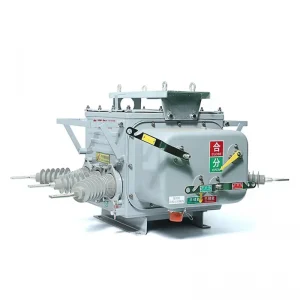
Use the ZW20-12 product page or ZW32-12 product page to identify a candidate, then request the exact drawing, rating combination and evidence. The selection workflow should support the review, not replace the project data.
FAQ
Is rated voltage the most important VCB selection value?
It is necessary but insufficient. Current, fault duties, insulation, special switching conditions, interfaces and control supply also determine suitability.
Are breaking and making current the same rating?
No. They describe different operations and should be checked separately in the applicable rating schedule.
Can a maximum catalogue value be used for any option?
No. Confirm that the exact frame, mechanism, enclosure, accessories and test condition support the combined selection.
Does IEC 62271-100 cover the whole switchgear?
It covers AC circuit-breakers within its scope. Metal-enclosed switchgear has a separate assembly standard and evidence boundary.
Ringkasan
Start a medium-voltage VCB selection with system voltage and frequency, then check continuous current, short-circuit making and breaking, short-time withstand, load type, TRV or special switching duty, installation, control power, interfaces and evidence. IEC 62271-100:2021+AMD1:2024 is the relevant AC circuit-breaker reference; IEC 62271-200:2021 addresses metal-enclosed switchgear. A listed maximum is not proof that every rating and accessory coexist in one configuration. The selected model must match the network study and the actual switchgear arrangement.
Kesimpulan
A defensible VCB selection is a chain of matching evidence. Start with the network study and application, separate voltage, current, making, breaking and short-time withstand ratings, then check special duties, controls, interfaces and the complete assembly. Treat catalogue maxima as prompts for verification, not as a ready-made configuration. Keep assumptions and approval owners visible until the drawing and evidence pack are accepted. FUERTE’s VCB range provides candidate product routes; use the contact page to request configuration-specific confirmation.