
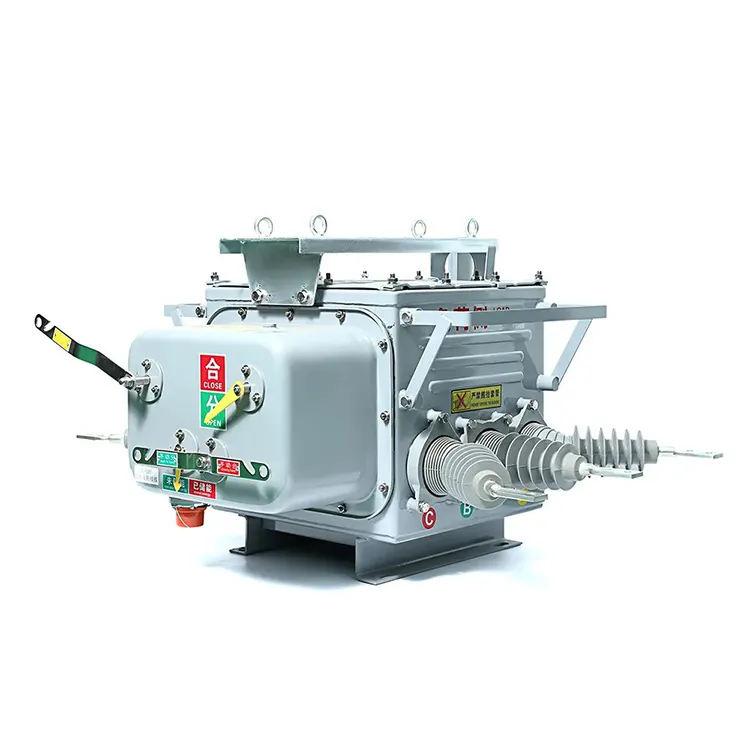
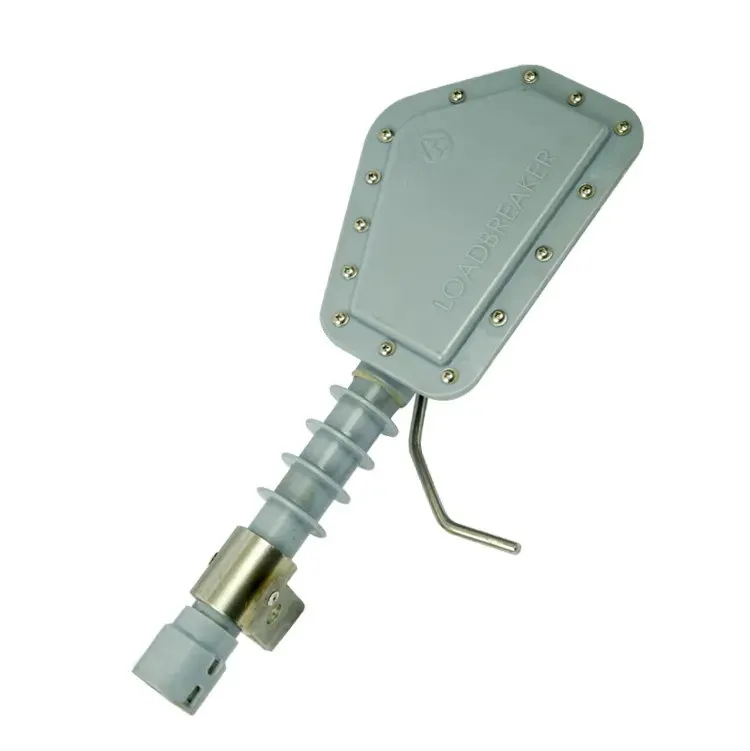


A compact switchgear drawing does not show everything a substation needs. Cable terminations, maintenance access, handling routes and future extensions can occupy space outside the manufacturer’s equipment outline. If those areas are omitted from a GIS comparison, the smaller quoted footprint may not translate into the expected site saving. Gas selection introduces another set of questions about handling, service support and destination-market rules. Buyers need to compare complete arrangements serving the same electrical duty. That means establishing what is included in the layout, what maintenance requires and which documents support the proposed equipment before comparing dimensions or prices.
A gas-insulated substation uses gas-insulated switchgear to enclose and insulate the relevant switching and conductor assemblies. Compared with an air-insulated arrangement, GIS can reduce the space required for those functions, but the total site still needs connections and access. The gas is a specified part of the design, not a detail to leave until delivery. For EU projects, Regulation (EU) 2024/573 includes staged restrictions and exceptions affecting fluorinated-gas switchgear. Selection should therefore combine the electrical specification, complete layout and gas-management requirements rather than treating every compact or SF6-free product as equivalent.
How does GIS differ from an air-insulated arrangement?
Itu switchgear reference describes gas insulation as an alternative to using surrounding air for the relevant insulation duties. Enclosing those parts changes the equipment arrangement and its maintenance interfaces. It does not remove the need to specify current, fault duty, external connections or the operating arrangement.
A gas-insulated substation can contain equipment outside the GIS enclosure, including transformers, cable systems and auxiliary facilities. The boundaries should be clear on the single-line and general arrangement drawings. An air-insulated disconnector cannot be substituted for a GIS module just because both provide an isolation function.
| Pertanyaan | GIS arrangement | AIS arrangement |
|---|---|---|
| Where is the main insulation provided? | Within the specified gas-insulated enclosure | Through the designed air-insulated arrangement and supporting insulation |
| What space must be compared? | Equipment plus connections, service and handling areas | Equipment, electrical spacing, connections and access |
| What maintenance interfaces matter? | Compartment access, service procedures and gas provisions where applicable | Access to external equipment and its maintenance points |
| How is extension assessed? | Against the original system interfaces and extension procedure | Against the bus arrangement, ratings and available site space |
What maintenance space belongs in the layout?
Ask for the service envelope as well as the installed envelope. The drawing should identify access to operating mechanisms and connections, removal routes and any space needed for service equipment. A building layout also needs to reconcile doors, floor openings and the delivery route with the actual supplied equipment.
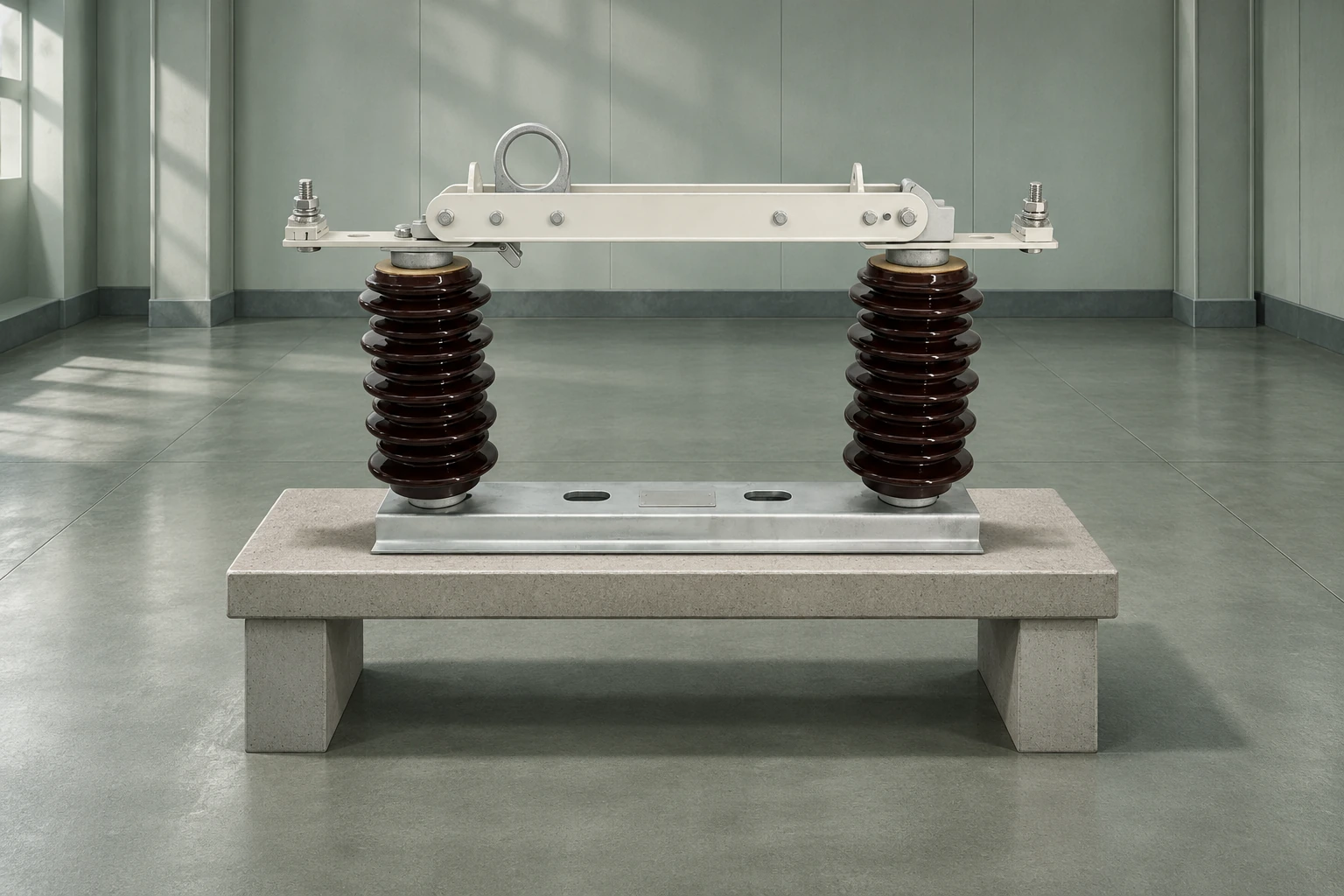
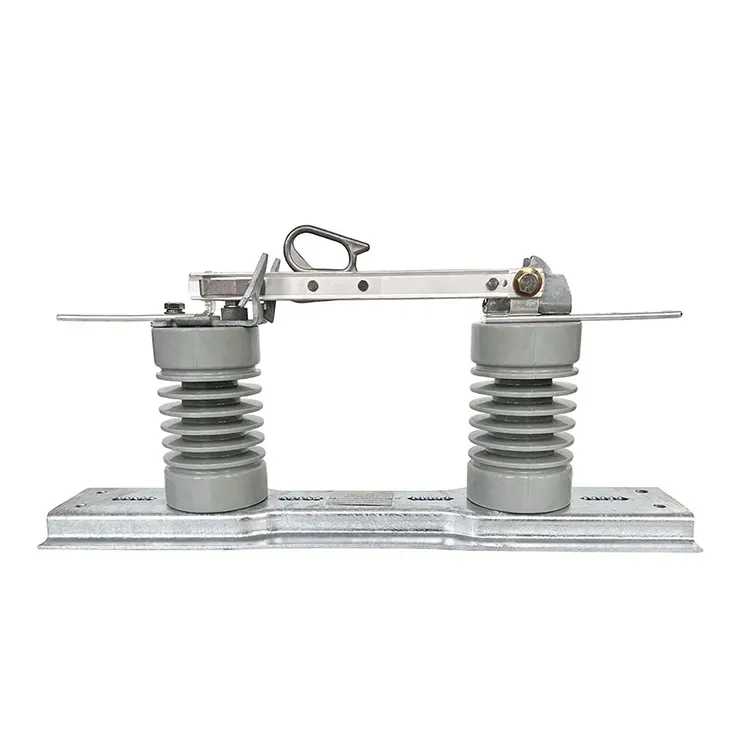
The illustration uses a real outdoor disconnector to show an access question common to equipment planning. It is an AIS component example, not a GIS product. The broader switchyard layout review explains why equipment footprint and usable maintenance space must be considered together.
Which gas and environmental requirements need early attention?
Specify the gas or gas mixture, the applicable handling procedure, service responsibility and the documentation needed for the destination. Do not assume that all GIS uses the same insulating medium, or that a change of medium leaves every operating and maintenance requirement unchanged.
Regulation (EU) 2024/573, including Article 13, sets staged restrictions on putting certain fluorinated-gas electrical switchgear into operation. The text includes a 1 January 2026 date for relevant medium-voltage switchgear up to and including 24 kV, alongside specific conditions and derogations. This is not a blanket statement that all existing SF6 installations must be replaced. Confirm the current applicable provisions for the equipment, procurement circumstances and intended commissioning date.
Ask who will perform installation, servicing and end-of-life recovery where required, and what training or certification applies. A supplier’s description of a gas as environmentally preferable does not by itself resolve these obligations.
Which interfaces should be settled before ordering?
| Interface | Information to obtain | Decision it supports |
|---|---|---|
| External connection | Termination details and approved connection arrangement | Compatibility with the actual cable or adjoining equipment |
| Future extension | Extension point, process, outage needs and supporting interfaces | Whether expansion is practical under the operating policy |
| Gas system | Medium, service procedure and responsibility | Installation, maintenance and regulatory planning |
| Equipment evidence | Applicable standards, test reports and configuration identification | Whether the evidence covers the offered assembly |

Type-test evidence should identify the design and relevant ratings. Ask the manufacturer to explain how any difference between the tested and offered configurations is covered. Neither an unrelated report nor a certificate bearing a familiar standard number proves suitability for the quoted arrangement.
Itu substation design process should resolve these interfaces before foundations and connection routes are fixed. In US workplace applications, 29 CFR 1910.303 also provides an installation context for adequate ratings and access; it is not a GIS product certification.
Pertanyaan yang sering diajukan
What is a gas-insulated substation?
It is a substation using gas-insulated switchgear for the relevant switching and conductor assemblies. Other station equipment and external connections may remain outside the GIS enclosure.
How does GIS differ from an air-insulated substation?
GIS encloses the relevant parts in a specified gas-insulated system, while AIS uses a designed air-insulated arrangement. Compare equivalent electrical duties and complete layouts rather than only equipment outlines.
When can GIS reduce installation footprint?
It can reduce the area needed for the enclosed switching and insulation functions. The final saving depends on external connections, building requirements, access and service areas.
Which gas-handling requirements should a project consider?
Identify the gas, required handling procedures, personnel qualifications, service support, records and recovery responsibilities. Destination-market rules and the intended commissioning date must be considered.
What access is needed for maintenance?
The layout needs the manufacturer’s service envelope, access to mechanisms and connections, and practical removal and handling routes. These areas may extend beyond the equipment footprint.
How can future extension affect GIS selection?
Extension may depend on the original interfaces, gas compartments, available modules and an acceptable outage procedure. Record the assumed expansion arrangement before the initial purchase.
What type-test evidence should buyers request?
Request reports tied to the relevant design, ratings and applicable standards, with an explanation of how they cover the offered configuration. A report for a different assembly is not sufficient without that assessment.
Why should footprint claims include the complete installation layout?
A substation includes more than the switchgear enclosure. Connections, access, auxiliary equipment and future work space can change whether the proposed arrangement fits the site.
Referensi
Sources checked on 9 November 2026.
- Wikipedia — Switchgear: insulation and equipment arrangements
- European Union — Regulation (EU) 2024/573 on fluorinated greenhouse gases
- 29 CFR 1910.303 — Persyaratan instalasi listrik (Cornell LII)
Ringkasan
GIS selection should begin with the required circuit arrangement and a complete installation layout. Compare the same electrical duties, include service and connection space, and establish how future work would be performed. Then review the insulating medium, applicable market rules and evidence for the offered configuration. A small equipment outline or an SF6-free description does not answer those questions on its own. Keep the enclosure system separate from external equipment when assigning supply responsibilities. Fuerte’s outdoor isolating switches concern a different equipment category; they should only be considered where the project calls for that documented external isolation function, never as an assumed substitute for a GIS module.