
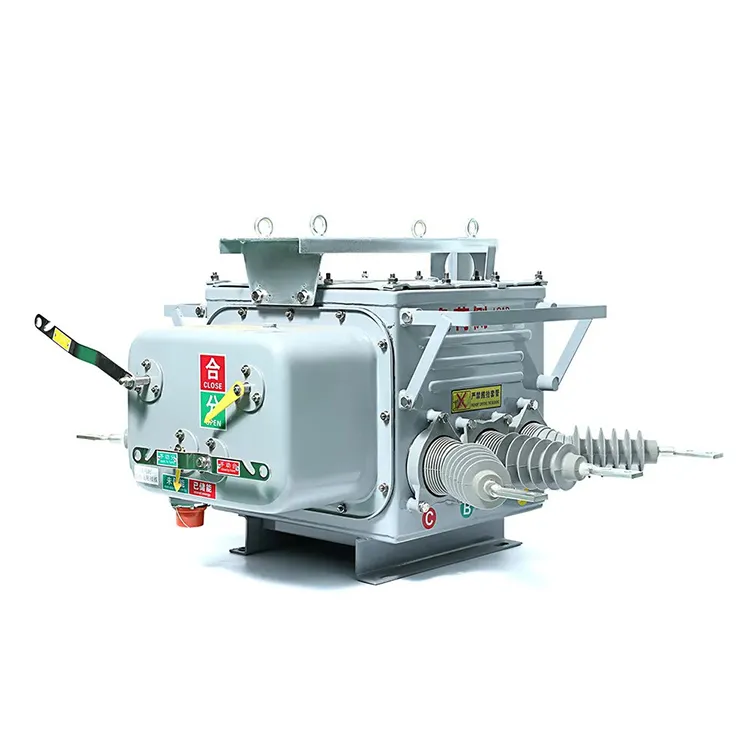
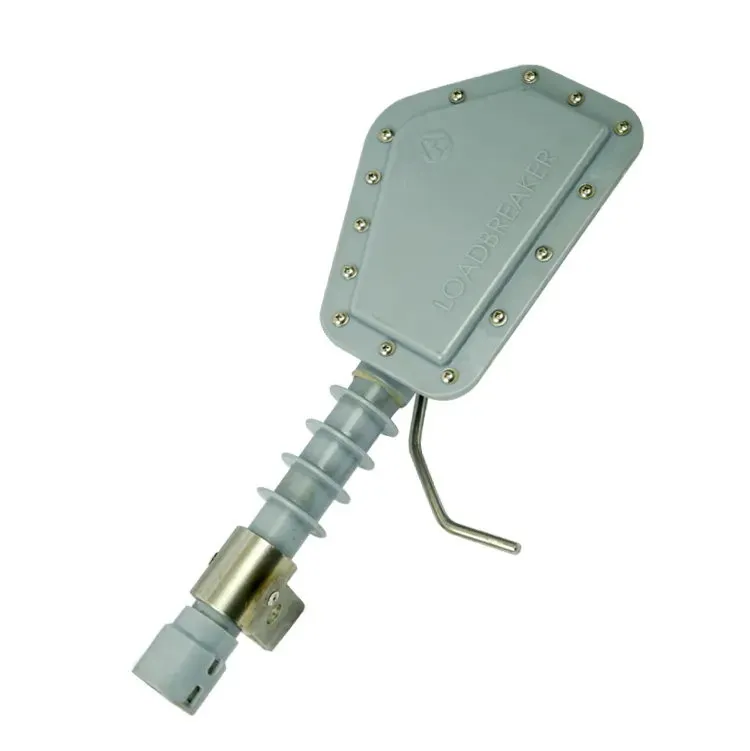


Illustrative scenario: When Elena, an EPC protection engineer in Monterrey, moved an 11 kV motor feeder from a plant switchboard, she changed the breaker but kept the old duty schedule. During the first commissioning trip, the air breaker showed a visible arc-flash indication and the relay logged a longer interruption than expected. A review of the one-line diagram found the real problem: the interruption medium and short-circuit duty had never been re-specified for the feeder, so a product was being blamed for a selection and coordination error.
Ringkasan: Air circuit breakers (ACBs) interrupt current in atmospheric air, while vacuum circuit breakers (VCBs) extinguish the arc inside a sealed vacuum interrupter. IEC 62271-100 and IEEE C37.04/C37.09 distinguish the rated voltage, short-circuit duty, dielectric tests and operating sequence that must be verified; the label “VCB” alone is not a performance rating. For medium-voltage feeders, we recommend starting with the system voltage, prospective fault current, X/R ratio, load type and duty cycle, then checking the manufacturer’s type-test evidence and the switchgear assembly requirements in IEC 62271-200. Select the interruption medium after that study, not before it.
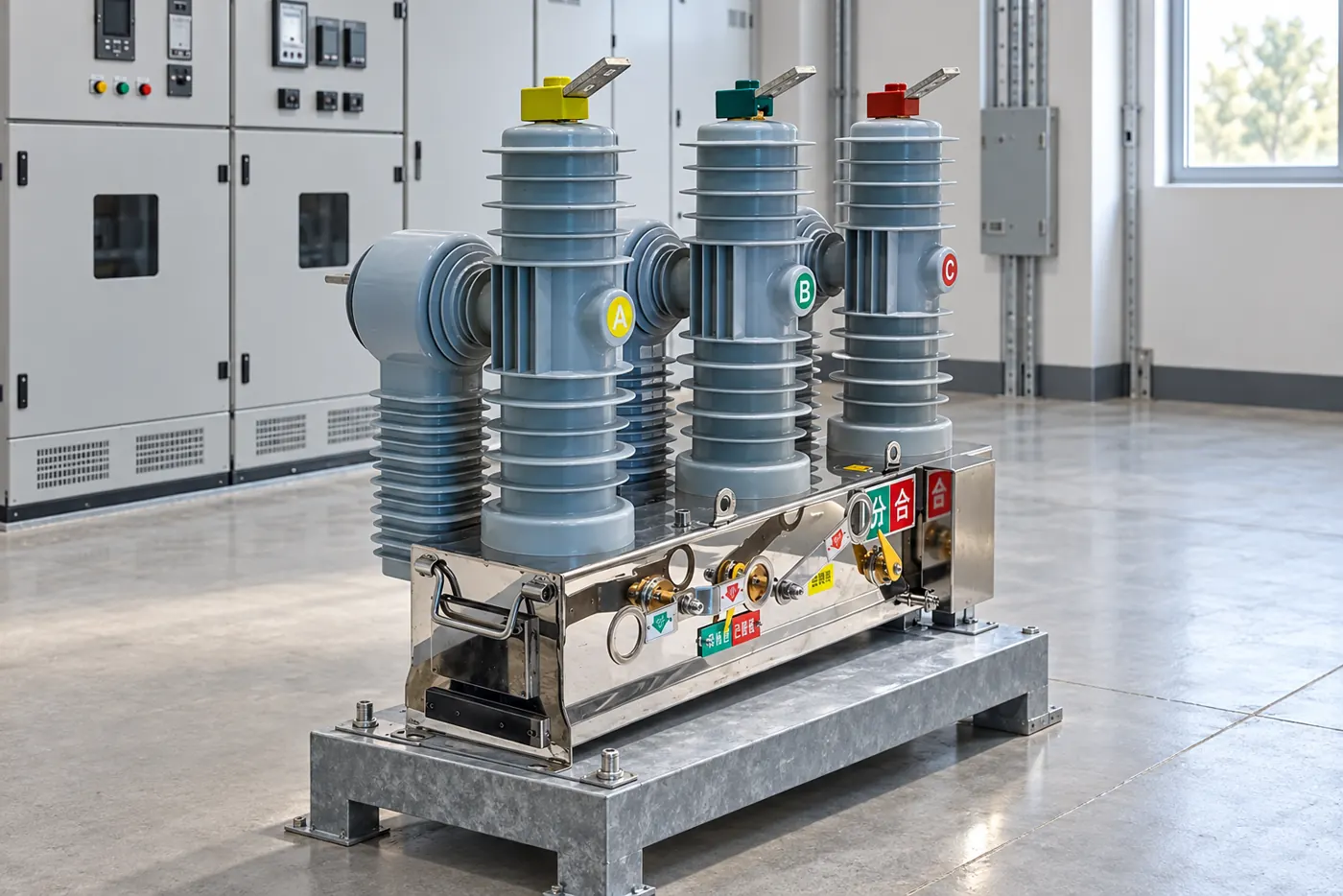
How air and vacuum interruption differ
In an ACB, opening contacts draw an arc through atmospheric air. Arc chutes, magnetic blowout and contact geometry stretch, cool and split that arc until the current can no longer be sustained. The same air path also provides the insulation gap when the breaker is open, so contamination, humidity and altitude can affect dielectric performance.
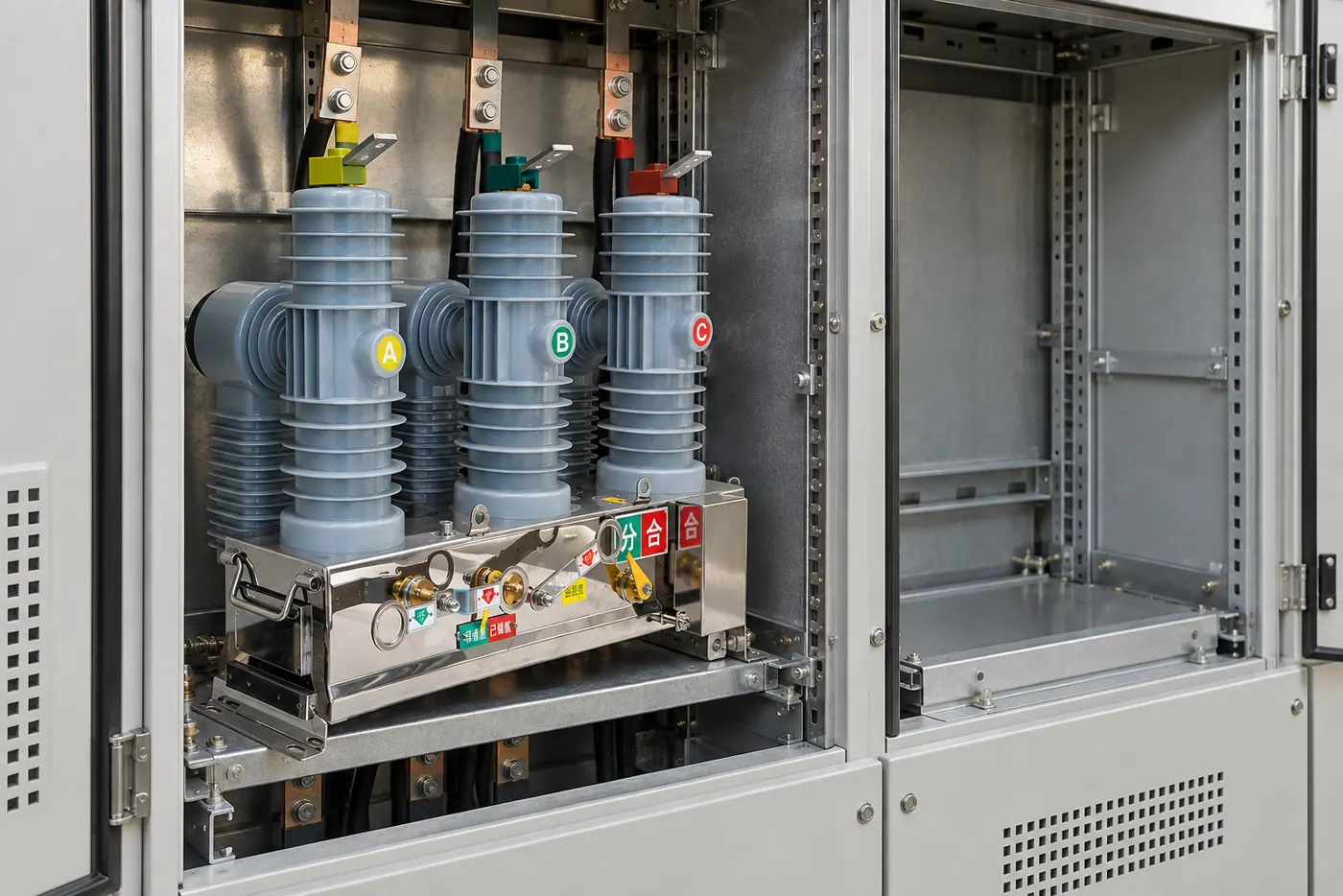
A VCB uses a pair of contacts in a factory-sealed vacuum interrupter. The arc is a metal-vapour arc from the contacts; when current reaches a natural zero on a 50 or 60 Hz waveform, the vapour condenses rapidly and the gap recovers dielectric strength. Shields control vapour deposition, and bellows allow the moving contact to travel without exposing the vacuum to atmosphere. There is no routine gas refill, but the interrupter’s vacuum integrity and contact wear still have to be verified.
These are different physical mechanisms, not interchangeable names. “Arc-free switching” is misleading: both devices create an arc internally while opening. The practical distinction is that a VCB contains the arc in a sealed bottle, whereas an ACB manages it in air with an accessible arc-chute system.
What are the practical strengths and limitations of vacuum interruption?
What advantages does a VCB offer?
Vacuum interruption generally supports compact medium-voltage switchgear because the interrupter gap is small and sealed. It avoids oil handling and the greenhouse-gas management associated with some gas-insulated alternatives. Contact erosion is confined to the interrupter, and the operating mechanism can be shared across a family of feeder, motor or transformer applications. These benefits can reduce planned service work when the breaker is operated within its tested duty.
VCBs also perform well where frequent switching is expected, provided the selected class and endurance sequence match the application. IEEE C37.09 type tests include short-circuit interruption, making and breaking sequences, dielectric checks and mechanical operation; procurement should ask for the applicable test report rather than infer endurance from a brochure.
What limitations should VCB buyers plan for?
A vacuum interrupter is a sealed precision component. If its vacuum integrity, contact erosion limit or travel adjustment is outside the manufacturer’s criteria, the bottle is normally replaced rather than rebuilt in the field. Vacuum switching can also create steep recovery voltages or restrikes in some motor, transformer and capacitor duties; insulation coordination, surge arresters and controlled switching may therefore be needed.
VCB installation is not automatically cheaper. The breaker may require a dedicated withdrawable carriage, racking interlocks, sensors and a compatible metal-enclosed assembly. Total cost includes testing, spares, outage access and the consequences of a wrong interrupting rating.
When is an ACB still the practical choice?
ACBs are common on low-voltage main and distribution boards where the system is accessible, maintenance teams already stock arc-chute parts, and protection functions such as draw-out isolation, electronic trip units or zone-selective interlocking are important. They can be a practical choice for high-current LV incomers and bus couplers when the assembly has been verified for the available fault level. Their exposed air path means cleaning, insulation inspection and arc-chute condition checks are part of the maintenance plan.
What determines breaker maintenance needs and service life?
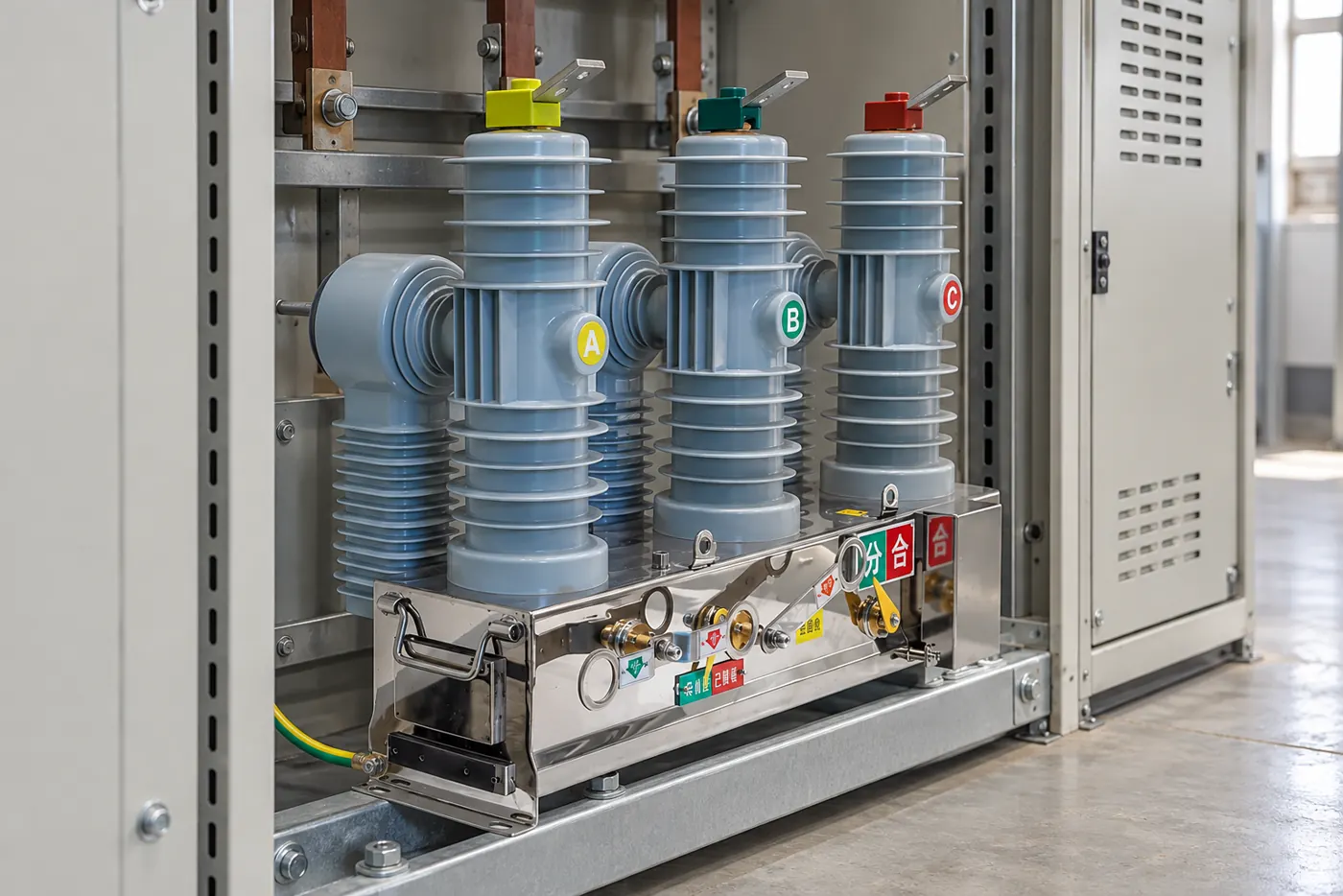
Service life is a duty calculation, not a calendar promise. A manufacturer may state separate mechanical and electrical endurance classes; electrical endurance counts interruption of specified fault or load currents, while mechanical endurance covers no-load operations. IEC 62271-100 uses rated operating sequences and type-test duties to make those claims comparable. Ask how many operations remain after the project’s expected switching profile, and record every operation in the maintenance log.
For a VCB, a sensible program includes visual inspection, mechanism lubrication where permitted, fastener and interlock checks, insulation resistance or power-frequency withstand testing as appropriate, contact-resistance measurement, timing/travel analysis and a vacuum-integrity check using the maker’s approved method. A “vacuum test” is not one universal field test; withstand voltage, leakage criteria and test setup must follow the interrupter documentation.
For an ACB, inspect and clean primary contacts, arc chutes, shutters and insulation barriers; verify trip-unit settings, auxiliary circuits and draw-out mechanisms; and perform timing, contact-resistance and dielectric tests under the maintenance standard used by the owner. Dust, condensation and repeated high-current interruption accelerate wear. Neither breaker should be declared maintenance-free.
Manufacturers often design VCB interrupters for decades of normal service, but the honest answer to “How long?” is conditional. Fault interruptions, switching frequency, environment, mechanism condition and spare-part support determine replacement timing. Use condition data and the maker’s limits rather than a generic year count.
Should your application use a VCB or an ACB?
Begin with the duty at the installation point. For an illustrative 11 kV feeder, calculate the three-phase and single-line-to-ground prospective fault currents, verify the breaker’s rated short-circuit breaking current and peak withstand, then check the relay clearing time and the switchgear’s internal-arc classification. For a 400/415 V main board, perform the equivalent LV assembly and coordination study before choosing an ACB. The voltage value is only one input; source impedance, transformer size, motor contribution and future expansion can change the duty.
| Dimensi keputusan | Vacuum circuit breaker (VCB) | Air circuit breaker (ACB) |
|---|---|---|
| Typical voltage context | Medium-voltage feeders, motors, transformers and utility switchgear | Low-voltage mains, feeders and bus couplers |
| Interruption medium | Sealed vacuum interrupter; arc contained in bottle | Atmospheric air with arc chutes and barriers |
| Switching duty | Good fit for repeated MV switching when endurance class is verified | Flexible LV switching; confirm arc-chute and trip-unit duty |
| Maintenance focus | Mechanism, vacuum integrity, contact wear, timing and interlocks | Arc chutes, contacts, insulation, trip unit, racking and interlocks |
| Kendala pemasangan | Requires compatible MV cubicle, clearances and coordinated surge protection | Requires tested LV assembly, bus clearances and selective coordination |
| Total-cost drivers | Interrupter/carriage spares, testing and outage planning | Arc-chute/contact kits, cleaning, trip-unit upgrades and board downtime |
Which breaker fits each common application?
| Permohonan | Pertanyaan untuk diselesaikan | Arah yang mungkin terjadi |
|---|---|---|
| Utility or industrial MV feeder | Fault level, reclosing sequence, cable charging, altitude and internal-arc requirement | VCB is often evaluated first; prove ratings and coordination |
| MV motor starter | Starting current, locked-rotor duty, switching transients and surge protection | VCB with motor-duty evidence; consider controlled switching |
| LV main incomer | Available fault current, selective coordination, draw-out isolation and arc-energy study | ACB is commonly practical when the tested assembly supports the duty |
| Retrofit in an existing lineup | Primary disconnect geometry, secondary plugs, interlocks, heat rise and short-circuit rating | Either medium; compatibility and assembly verification decide |
What evidence should a breaker supplier provide?
IEC 62271-100 covers AC circuit-breakers for high-voltage applications, including rated characteristics, type tests and operating sequences. IEC 62271-200 addresses AC metal-enclosed switchgear and controlgear above 1 kV and up to 52 kV, including dielectric, temperature-rise, short-time withstand and internal-arc test concepts for assemblies. IEEE C37.04 defines AC high-voltage circuit-breaker ratings, while IEEE C37.09 specifies test procedures. These documents are standards and test frameworks; they are not a blanket certification for every configuration.
Specify the applicable edition, rated voltage, frequency, lightning-impulse and power-frequency withstand, short-circuit current, making current, short-time withstand, operating sequence, mechanical/electrical endurance and altitude correction. Require drawings, routine-test records and a traceable type-test report for the offered breaker and assembly. If a supplier cannot show the boundary between a component test and a complete switchgear test, treat the claim as unverified. Local electrical codes, utility specifications and workplace arc-flash rules may add requirements in the destination market.
How should you select and source the right breaker?
- Freeze the one-line diagram and calculate prospective fault current for present and planned sources.
- Define load duty: feeder, motor, transformer, capacitor, generator, transfer or reclosing; state expected operations and interruption levels.
- Check insulation coordination, altitude, pollution, humidity, seismic and internal-arc requirements for the complete assembly.
- Compare type-test scope, routine tests, service tools, spare interrupters or arc chutes, and local technical support on a lifecycle-cost basis.
- Witness commissioning tests and retain timing, contact-resistance, insulation, interlock and protection-setting records.
Fuerte supplies medium-voltage vacuum circuit-breaker and electrical-equipment solutions; use its product documentation as one input to the engineering review, and request configuration-specific ratings and test evidence before purchase. Its technical pages on spesifikasi kapasitas pemutusan pemutus sirkuit vakum and vacuum circuit breaker testing can support that document check. For component terminology, see the related guide to parts of a vacuum circuit breaker; for retrofit constraints, review mounting configurations and retrofit planning.
Pertanyaan yang sering diajukan
What are the advantages of a vacuum circuit breaker?
A VCB contains the arc in a sealed interrupter, avoids oil handling and can be compact in medium-voltage switchgear. It is a strong option for repeated MV switching when its tested endurance, short-circuit duty and insulation coordination match the system.
What are the disadvantages of a vacuum circuit breaker?
The interrupter is a precision sealed part that is usually replaced rather than repaired when vacuum integrity or contact-wear limits are exceeded. Switching transients, specialized carriages and the need for compatible surge protection can add design and lifecycle cost.
Is a VCB better than an air circuit breaker?
Neither is universally better. VCBs usually fit medium-voltage feeders and motors, while ACBs often fit low-voltage mains where draw-out isolation and electronic trip functions are central; the available fault current and tested assembly determine the safe choice.
How long does a vacuum circuit breaker last?
Life depends on mechanical and electrical endurance classes, fault interruptions, switching frequency, environment and mechanism condition. Use the manufacturer’s operation and contact-wear limits, then adjust the maintenance or replacement plan with field records.
Does a VCB require less maintenance than an ACB?
It can require less routine cleaning because the arc is sealed, but it still needs mechanism, timing, insulation, interlock and vacuum-integrity checks. An ACB’s arc chutes and air insulation need more direct inspection; both require a documented program.
What applications are best suited to vacuum interruption?
Medium-voltage utility and industrial feeders, motor circuits, transformer feeders and retrofit switchgear are common candidates. Confirm cable-charging, capacitor, motor and reclosing duties, and apply the owner’s insulation-coordination and protection requirements before final selection.
Referensi
- IEC, IEC 62271-100: High-voltage switchgear and controlgear—AC circuit-breakers.
- IEC, IEC 62271-200: AC metal-enclosed switchgear and controlgear.
- IEEE Standards Association, IEEE C37.04—AC high-voltage circuit-breaker ratings.
- IEEE Standards Association, IEEE C37.09—AC high-voltage circuit-breaker test procedures.
The right breaker is the one whose interruption physics, tested duty and service plan fit the system study. If you are comparing a VCB and ACB for a project, send Fuerte the one-line diagram, duty data and switchgear interface; its team can help you define a configuration that can be documented and maintained.