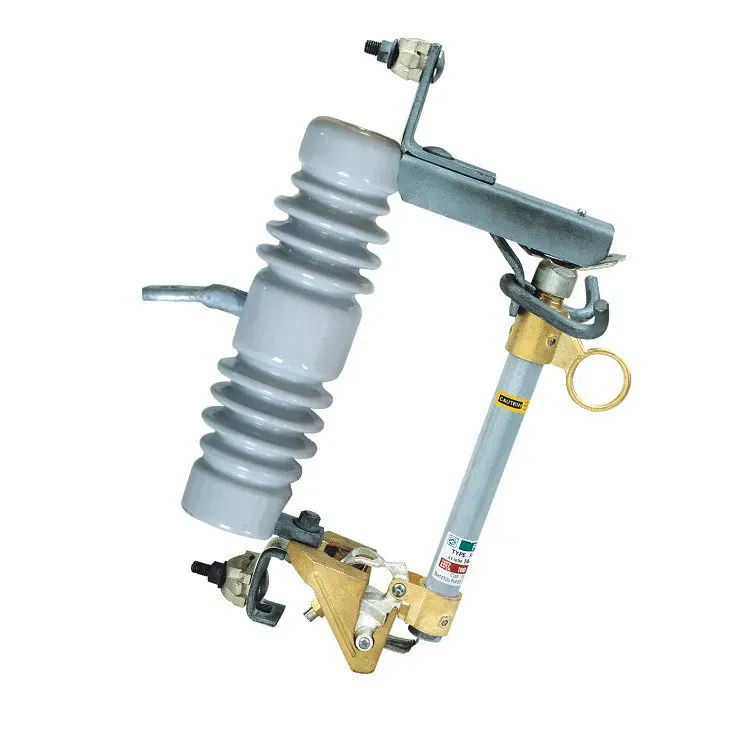
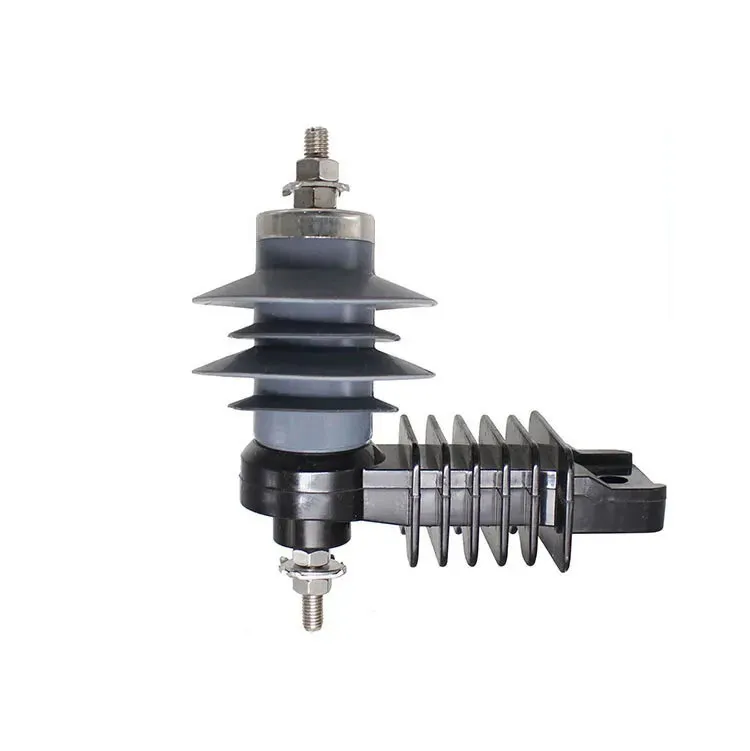
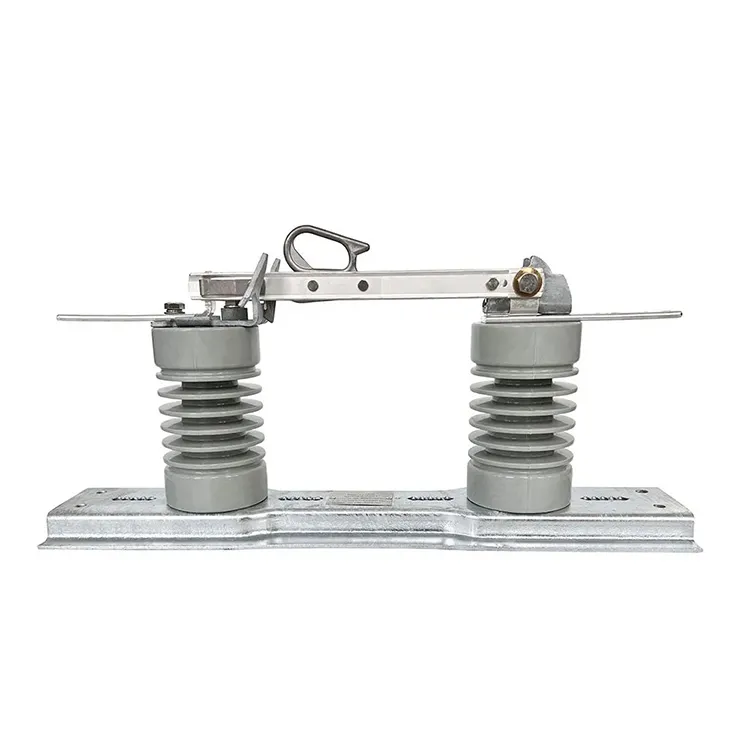
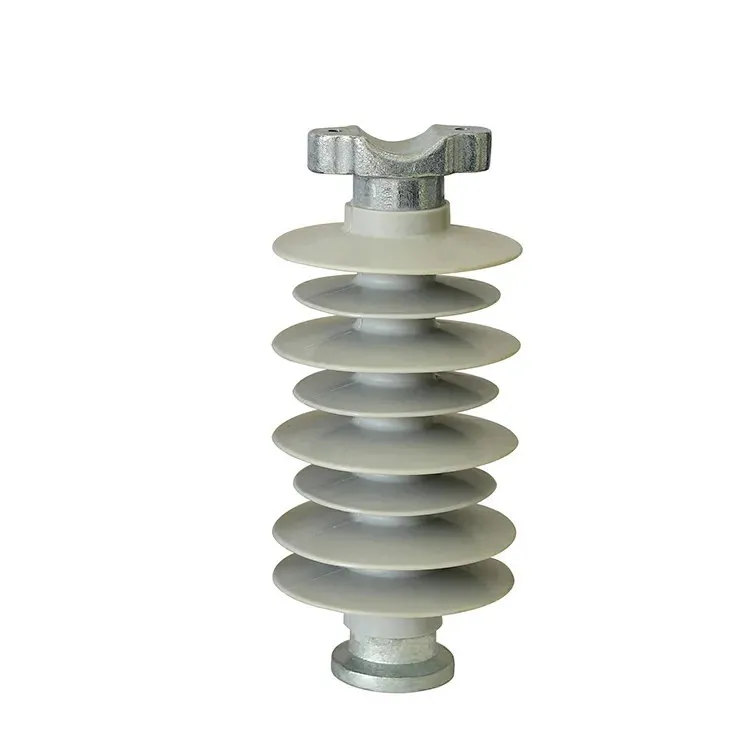
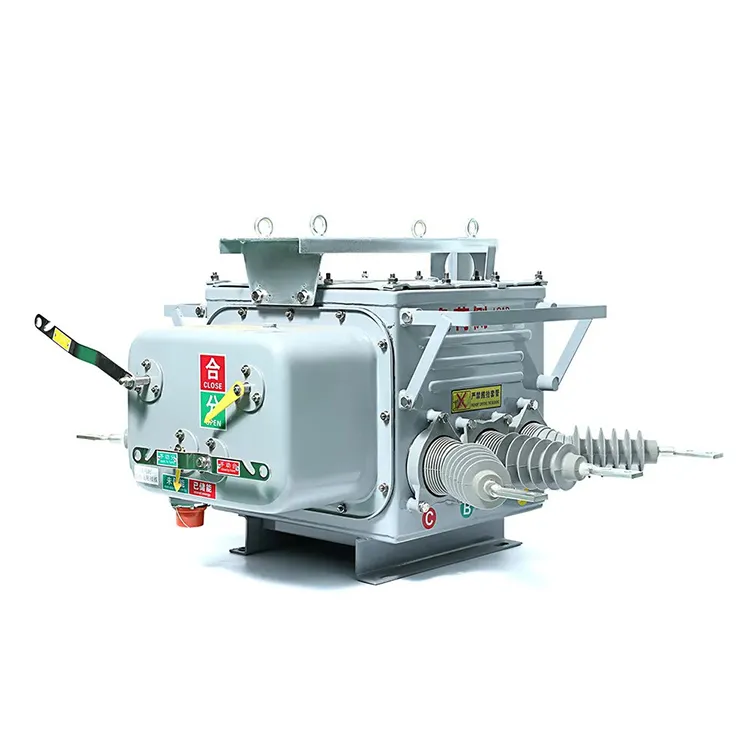
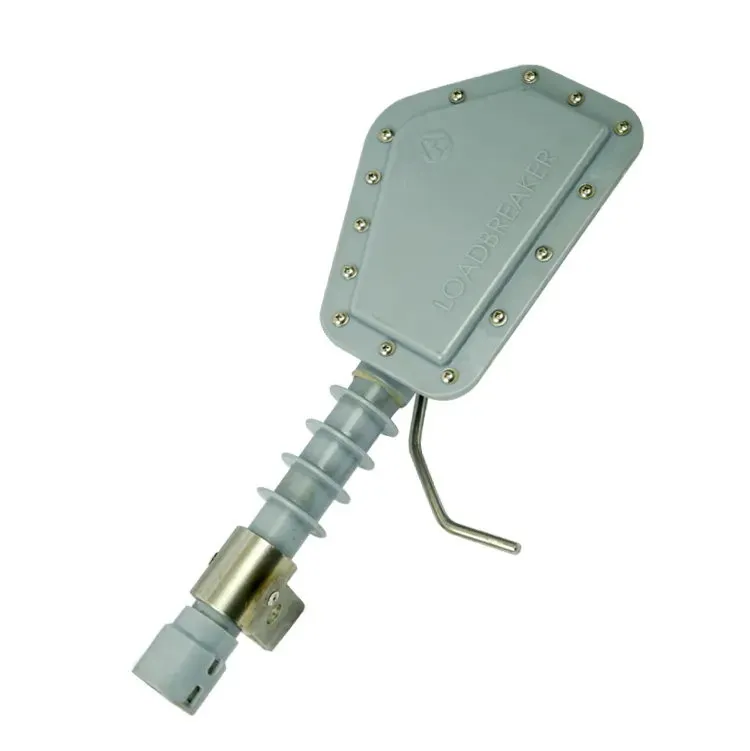


An 11 kV polymer disc insulator is a catalog term commonly used for a composite suspension or strain insulator on an 11 kV-class overhead line. Unlike a ceramic cap-and-pin disc, many polymer “disc” products are one-piece long-rod units with a fibre-reinforced resin core, polymer housing and sheds, and metal end fittings. The insulator supports the conductor mechanically and provides electrical separation; it does not reduce line voltage drop.
do not order from “11 kV” and a photograph. Specify the system’s highest voltage for equipment, required insulation withstand, mechanical load, end fittings, arcing and creepage dimensions, site pollution severity, altitude and applicable test evidence.
First confirm what “disc” means in the quotation
The word “disc” may describe the visual shed shape or the suspension/strain function rather than a standardized construction. Ask whether the offered unit is a one-piece composite suspension/tension insulator, a polymer-housed design with another core form, or an assembly intended to match cap-and-pin hardware. The approved drawing should show the complete load path and end fittings.
Use the polymer insulator product category only to identify candidate designs; it does not replace the project specification.
For a direct application comparison, see our guide to polymer pin versus disc insulators. Pin or line-post units primarily support conductors with significant cantilever effects; suspension and strain units primarily carry tensile load. Similar voltage labels do not make those functions interchangeable.
The 11 kV label is only the starting point
Record the nominal system voltage and the project’s highest voltage for equipment (Um). Do not assume a value from local naming alone. Also state system frequency and earthing, lightning-impulse withstand, wet power-frequency withstand, phase-to-earth and phase-to-phase clearances, and any utility-specific insulation-coordination requirements.
Compare the supplier’s declared dry arcing distance, section length and creepage distance with the project drawing. These dimensions serve different purposes. Increasing one dimension does not automatically correct an unsuitable profile, inadequate clearance or wrong assembly geometry.
Use current composite-insulator standards
IEC 61109:2025 applies to composite suspension and tension insulators on overhead lines above 1,000 V AC and above 1,500 V DC within its scope. Its third edition replaces the 2008 edition and revises test classification, electrical and mechanical procedures, interfaces and re-testing. It also adds material on hydrophobicity transfer, stress corrosion, water diffusion, AC electric-field control and adhesion between core and housing.
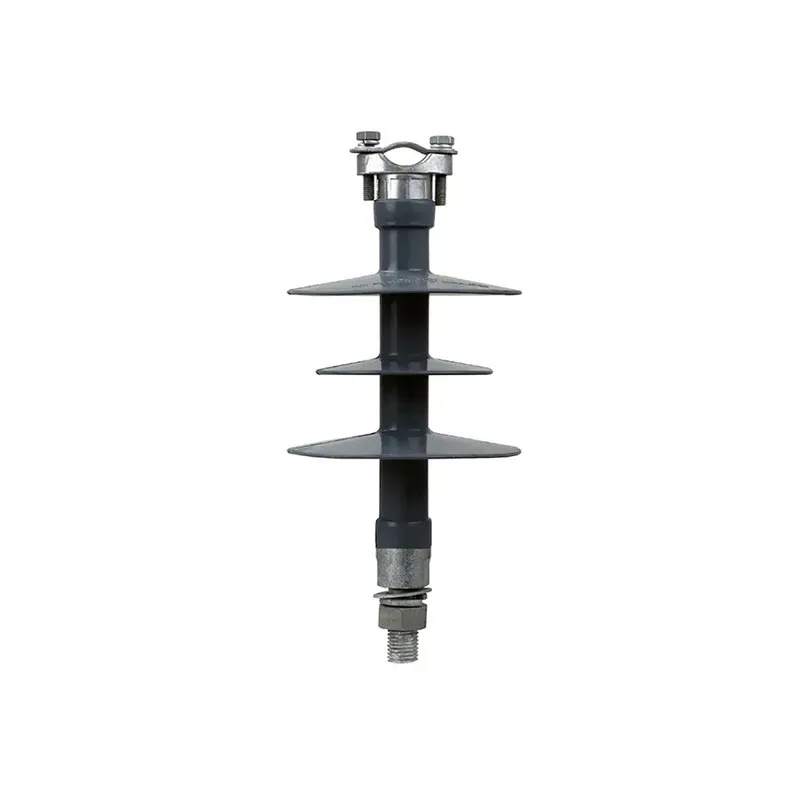
IEC 62217:2025 provides common definitions, design-test methods and acceptance criteria for polymeric high-voltage insulators. It does not replace the relevant product standard. A quotation should identify both the applicable standard edition and the exact design family covered by the submitted reports.
Mechanical selection: define the real line duty
| Project input | Mengapa pemilihan berubah | Required clarification |
|---|---|---|
| Suspension or strain position | Changes conductor tension, line angle and fitting articulation | Structure drawing and hardware assembly |
| Specified mechanical load (SML) | Identifies the declared tensile load basis | Offered value, unit marking and matching test evidence |
| Conductor and span data | Wind, ice and tension cases determine actual load | Design load cases and safety factors from the line engineer |
| End fittings | Ball/socket, clevis/tongue or other couplings must match existing hardware | Dimensions, coupling code, locking devices and articulation |
| Handling method | Poor lifting or dragging can damage housing and seals | Packaging, storage, lifting and field-inspection instructions |
Do not convert SML into an allowable everyday load without the design code, utility rules and required safety factors. The manufacturer should declare the product rating; the project engineer determines whether it satisfies the line load cases.
Pollution and altitude need a calculation route
IEC TS 60815-1:2025 provides current general principles for selecting and dimensioning outdoor high-voltage insulation in polluted conditions. It starts with site pollution severity, defines a reference unified specific creepage distance, and applies corrections for the candidate insulator, including altitude, diameter, shed profile and parallel units.
IEC TS 60815-3:2025 applies specifically to outdoor polymer insulators for AC systems and recognizes hydrophobicity-transfer materials. These documents do not cover ice and snow effects. Therefore, a buyer should not accept a generic claim that one creepage value is suitable for every coastal, industrial, desert or high-altitude 11 kV line.
Inspect the interfaces, not only the sheds
The core-to-housing bond, housing-to-fitting transition and fitting attachment are critical. Request a drawing that shows the sealed transition and identify whether the offered configuration is part of the tested design family. Before installation, inspect for cut or deformed sheds, exposed core, separation, cracked seals, corrosion, fitting deformation and transit damage.
During service, unusual corona, concentrated discharge, tracking, erosion, housing damage or suspected moisture ingress requires evaluation under the utility’s maintenance procedure. A fixed universal lifespan is not supportable without the design, site and inspection history.
How many insulator units are needed for 11 kV?
For a one-piece composite suspension or strain insulator, do not determine the assembly by counting ceramic discs. The engineer selects a complete unit whose insulation, dimensions, mechanical load and fittings satisfy the project. If a utility uses a string of individual units, the string configuration must follow its insulation-coordination and mechanical design rules.

Do not use the common rule-of-thumb “one disc per voltage increment” as a purchase specification. Pollution, altitude, hardware, arcing distance, insulation withstand and local standards can all change the required assembly.
RFQ checklist for an 11 kV suspension or strain unit
- Nominal voltage, Um, frequency and system earthing.
- Required lightning-impulse and wet power-frequency withstand levels.
- Suspension or strain duty, SML and project load cases.
- Section length, arcing distance, creepage requirement and profile constraints.
- Altitude, site pollution severity, pollution type, temperature, UV, wind, ice/snow and corrosion exposure.
- End-fitting type, coupling dimensions, locking hardware and conductor/structure assembly.
- Housing and core material declaration, fitting material and corrosion protection.
- Applicable IEC edition, design/type/sample/routine test scope and model-family traceability.
- Packaging, handling, installation, inspection and replacement instructions.
Use our polymer insulator RFQ checklist to structure these inputs. If the line instead needs a rigid support, compare the requirements in the 11 kV polymer pin insulator selection guide.
If the FPQ-24/6T product page is proposed as an alternative, verify its actual function and ratings against the suspension or strain duty rather than assuming compatibility from the voltage label.
Pertanyaan yang sering diajukan
What is an 11 kV polymer disc insulator used for?
It is commonly used in suspension or strain arrangements on 11 kV-class overhead distribution lines. The exact use must match the unit’s mechanical duty, fittings and electrical design.
Is a polymer disc the same as a porcelain disc?
No. Many polymer products are one-piece composite long-rod units, while traditional porcelain strings use individual cap-and-pin units. Confirm construction and assembly from the drawing.
Can it be used in heavy pollution?
Potentially, but selection requires the site pollution severity, material behavior, profile and IEC 60815 correction route. “Silicone” or a long creepage figure alone is not sufficient evidence.
Can I replace an existing porcelain string with one polymer unit?
Only after checking insulation withstand, arcing and creepage dimensions, SML, fittings, articulation, clearances, grading hardware and structure geometry. A like-length replacement is not automatically equivalent.
What should be checked on delivery?
Verify model and lot identity, approved drawing, fittings, dimensions, marking, supplied hardware, packaging condition and agreed test documents. Inspect the housing, sheds, seals, core exposure and fittings before release to installation.
How many composite disc units are required for an 11 kV line?
There is no universal count from the nominal voltage alone. The required arrangement depends on the construction, insulation coordination, clearances, pollution and project design. The responsible engineer should confirm the assembly.
How current standards frame an 11 kV composite disc
An 11 kV polymer disc insulator enquiry should first explain what “disc” means in the quotation: a composite suspension insulator, a tension unit or another assembly. IEC 61109:2025 and the common polymeric-insulator principles do not remove the need to state mechanical loading, fittings, clearances and pollution severity. Record the mechanical, clearance, pollution and fitting requirements before approving the offered assembly.
RFQ fields to record
| Review field | What the buyer should record |
|---|---|
| Construction and load path | Describe suspension, tension or line function and the associated fittings. |
| Electrical environment | Record system voltage, clearances, pollution, altitude and insulation requirements. |
| Supplier evidence | Request the model identity, standard scope, drawings and inspection or test documents. |
Ringkasan
An 11 kV polymer disc insulator cannot be selected reliably from nominal voltage, appearance or a rule-of-thumb disc count. Confirm whether the unit is intended for suspension or strain duty, then specify Um, insulation withstand, mechanical load, fittings, pollution and altitude conditions, dimensions and applicable test evidence. The final approval should be based on the complete assembly drawing and project requirements, not on a generic catalog description. For a related technical topic, see Long Rod Polymer Insulator.