


A disjoncteur à vide RFQ can become unmanageable when a data sheet, outline drawing, wiring diagram, and test document circulate under similar filenames with different revisions. The resulting ambiguity affects interface review, panel integration, and the evidence needed for a release decision. Document revision control is therefore an engineering control: it identifies the offered breaker, records the governing revision, and preserves the history of superseded files. IEC 62271-100:2021+AMD1:2024 addresses high-voltage AC circuit-breakers, while IEC 62271-200:2021 addresses AC metal-enclosed switchgear and controlgear assemblies. Neither standard turns an uncontrolled attachment into an approved design, so the RFQ must make its document baseline explicit.
What should the RFQ define as the revision baseline?
Identify the purchase or project reference, equipment tag, offered model, and document list at issue. State the current revision for the technical specification, interface drawing, single-line context, wiring or control documents, inspection and test plan, and any required certificates. If an item is not applicable, record that status rather than deleting it from the register. A baseline gives the buyer and each bidder the same starting point for questions and addenda.
- Freeze the register identifier and issue date with the RFQ.
- Tie each document to an equipment tag, offered model, or assembly scope.
- Define statuses such as for quotation, for review, approved, superseded, or withdrawn.
- Require every later transmittal to list additions, replacements, and withdrawn files.
How can the buyer link each file to the offered breaker identity?
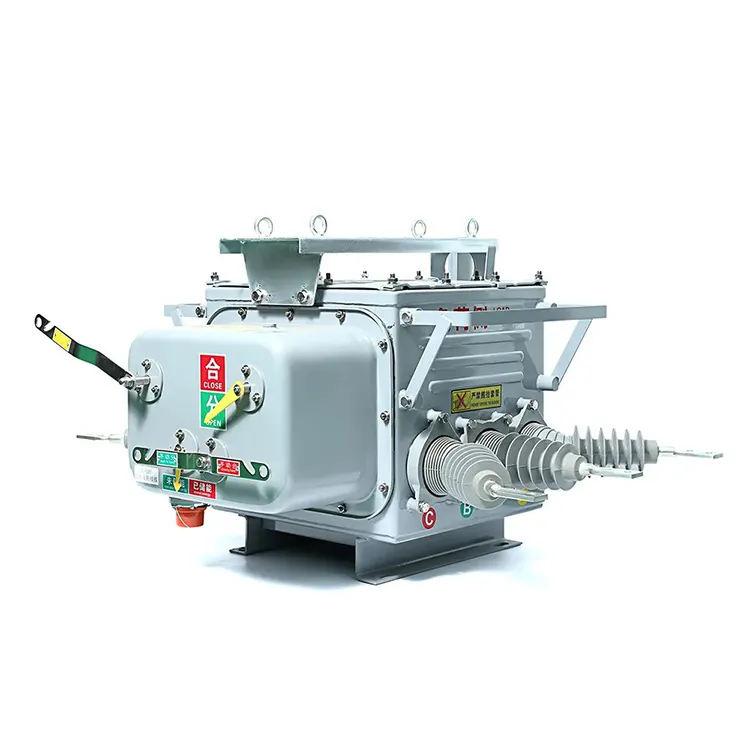
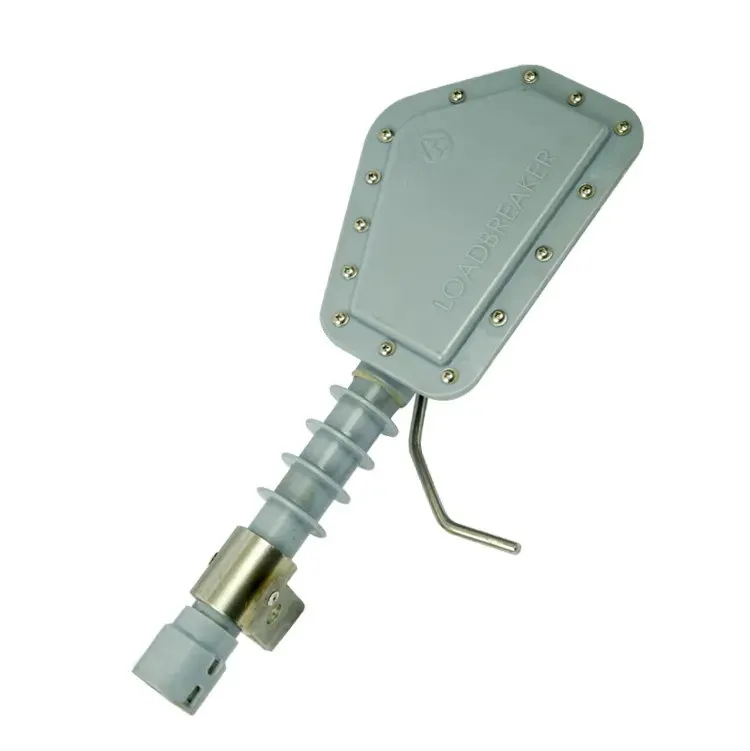
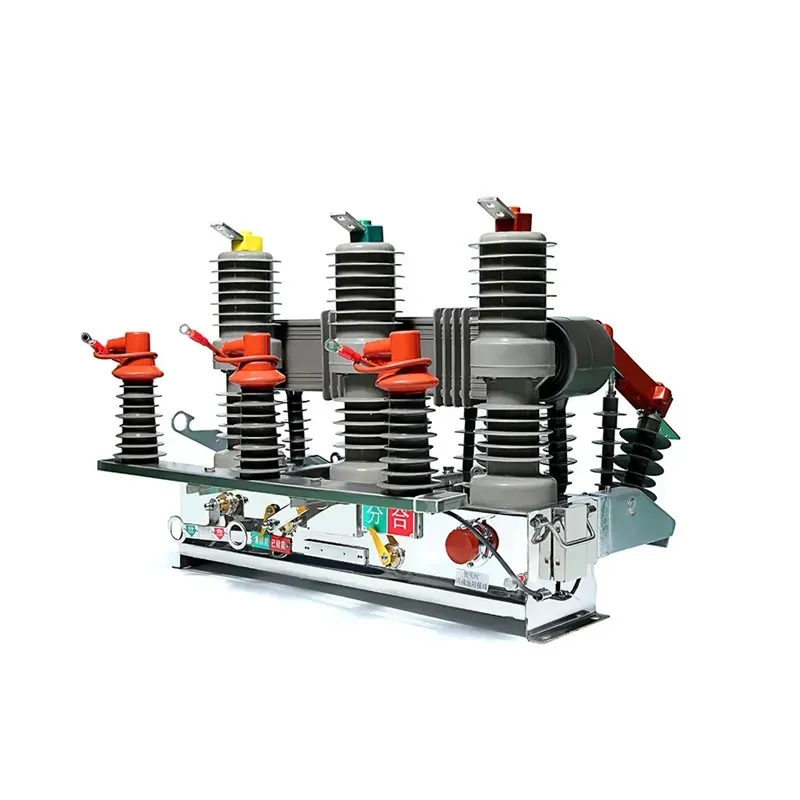
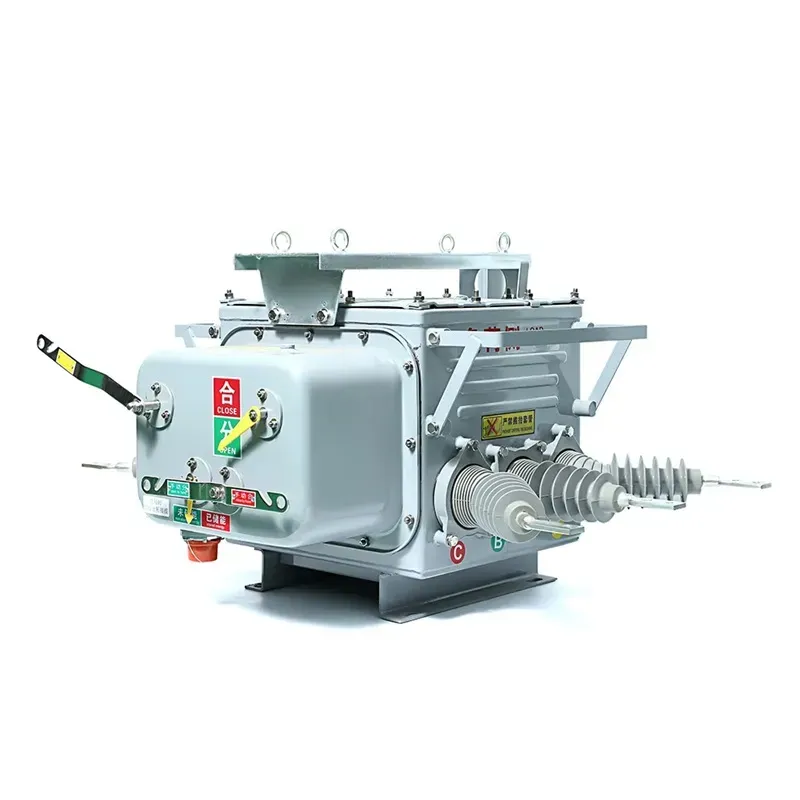
Use the supplier’s exact model and configuration as the identity key, then check that the data sheet, outline, terminal layout, control schematic, and test evidence refer to that identity. A generic family name is insufficient where ratings, operating mechanism, pole spacing, mounting, or accessories vary. If the supplier proposes an alternative, create a new response line and require a complete document set for the offered configuration. Do not merge two models because their product photographs resemble one another.
When a revised file changes an accessory or mechanism description, reconcile it with breaker parts identification before accepting the revision.
| Register field | Required record | Review purpose |
|---|---|---|
| Document identity | Number, title, revision, date and status | Prevents wrong-file review |
| Equipment identity | Tag, model, configuration and quantity basis | Connects evidence to the offer |
| Change record | Superseded revision, reason and transmittal | Preserves review history |
| Disposition | Reviewer, date, comments and status | Shows what is accepted or open |
Why should superseded VCB documents remain in the record?
Superseded files explain what changed between review points. Retain them with a clear status and prevent accidental use as current instructions. The change note should identify affected dimensions, terminals, components, ratings, interfaces, tests, or commercial scope where applicable. If a revision changes a panel interface or control circuit, route it back through the relevant design review instead of relying on the filename or issue date alone.
How can a register stay separate from breaker-duty approval?
The register answers “Which document did we review?” Breaker-duty approval answers “Does this exact equipment meet the required electrical, mechanical, and system conditions?” Keep those decisions linked but distinct. A current data sheet can still contain an unsuitable duty, and an approved drawing can still be the wrong revision for a different model. Use the project’s duty schedule, applicable IEC requirements, and qualified reviewer for the technical conclusion.
When should document changes be closed before release?
Before purchase release, panel manufacture, shipment, or another defined gate, reconcile every open change. The register should identify the current file, the reviewer’s disposition, and any outstanding supplier response. If the bidder cannot provide a controlled answer, retain the item as open and state the consequence. A clean-looking folder is not evidence of closure when the register has missing revisions or unexplained substitutions.
For a model-specific request, the FUERTE column VCB route can be used after the buyer supplies the identity and register fields. The route supports document inquiry; it does not approve the breaker or panel.
FAQ: What do buyers ask about VCB document control?
Can a VCB data sheet alone control a quotation?
No. The data sheet must be tied to the exact offered configuration and coordinated with drawings, control documents, testing evidence, and the buyer’s current requirement.
Why retain superseded files?
They preserve the decision history and show what changed. Mark them superseded so they cannot be mistaken for current instructions.
Does a document register prove breaker duty?
No. It proves document traceability. Duty and suitability require the applicable technical review and evidence for the offered equipment.
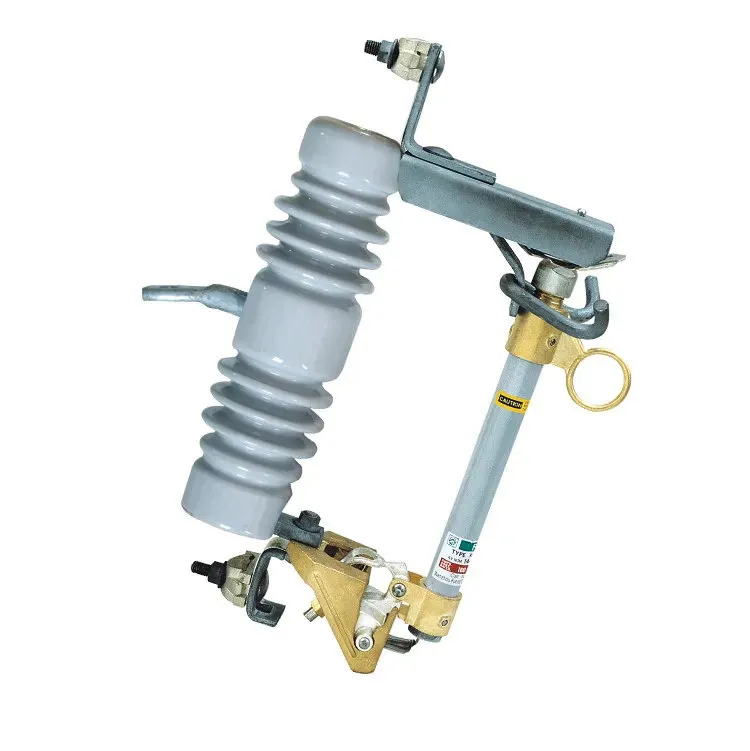
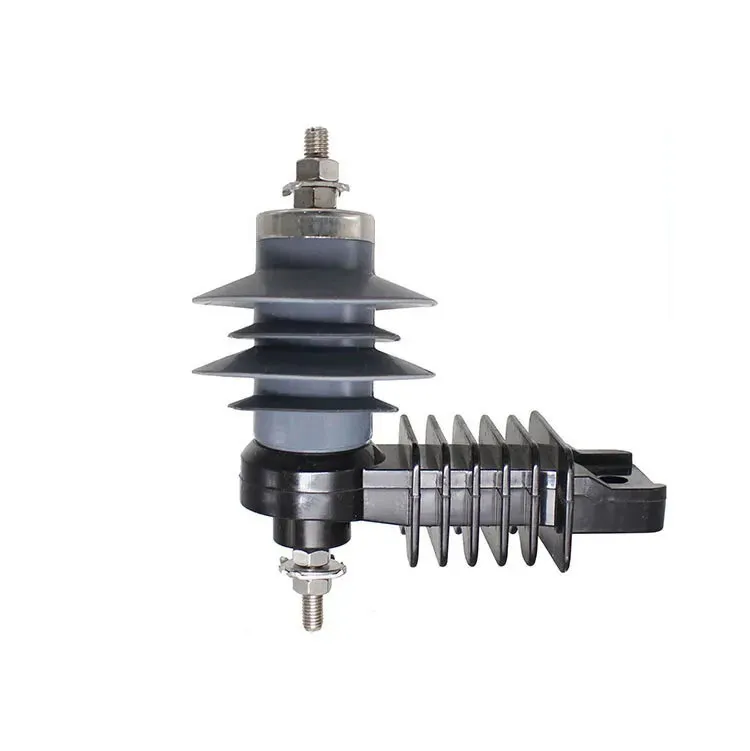
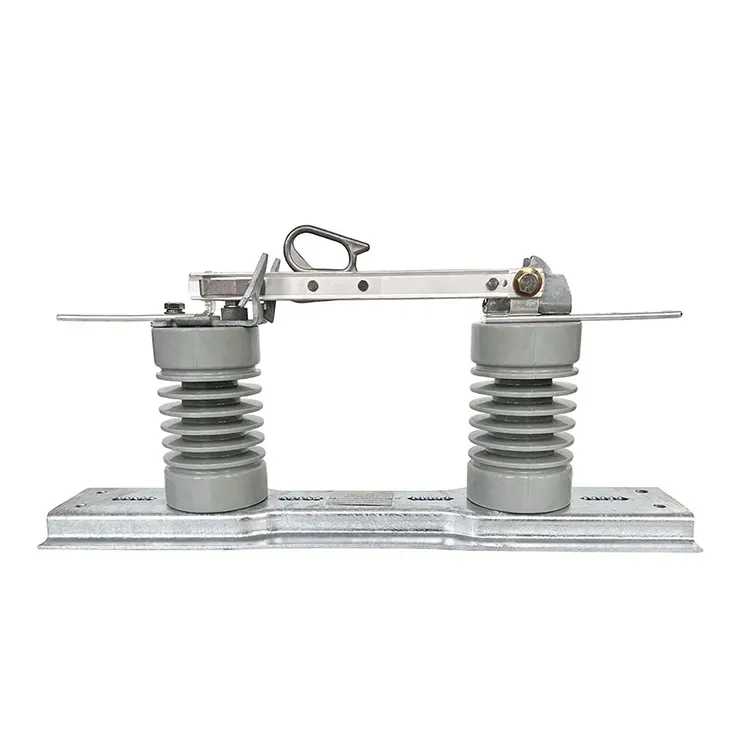
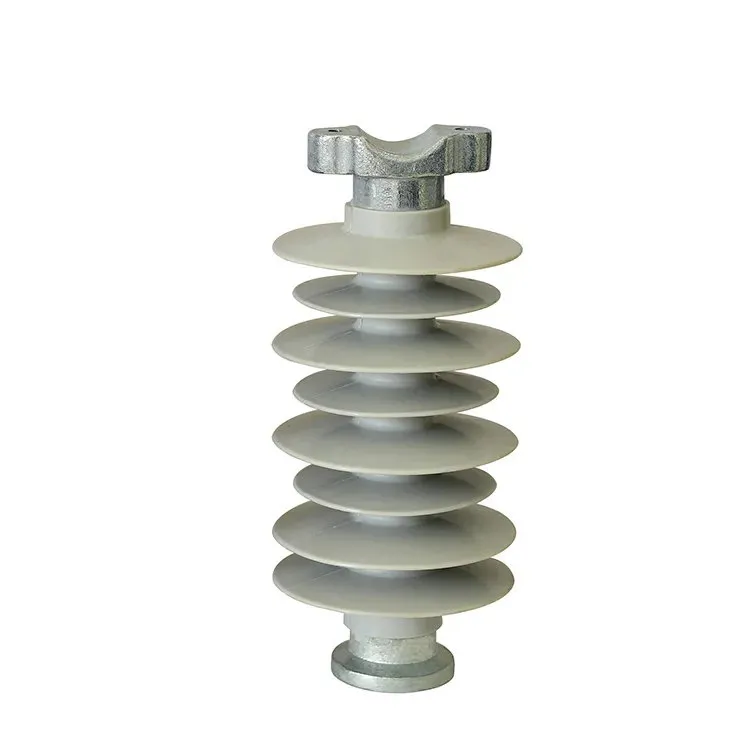
Can a product image confirm a VCB model?
No. Use the supplier’s exact model and controlled documents; similar images do not establish identity or interface.
Summary: How should an RFQ control VCB document revisions?
Create a controlled document register tied to the exact offered vacuum circuit breaker identity. For every file, record title, document number, revision, issue date, status, supplier response, and the requirement or interface it supports. Mark one baseline revision as current, retain superseded files as history, and require the bidder to identify changes in a transmittal or deviation response. A register controls information flow; it does not prove interrupting duty, dielectric performance, panel compatibility, or protection settings. Those require the applicable specification, equipment data, and responsible engineering review.
Le FUERTE vacuum-circuit-breaker route can support a model-specific document request after the buyer has defined the baseline. Related evidence controls include the VCB nameplate checklist and panel specification checklist. IEC 62271-100:2021+AMD1:2024 and IEC 62271-200:2021 are source routes for standards context; the project specification governs the exact deliverable set.
Evidence boundary: revision control shows which document was reviewed and when. It does not establish that the breaker meets the project duty or authorize manufacture, installation, testing, or energization.
Conclusion: What is the correct order for controlling VCB RFQ documents?
Define the equipment identity and current RFQ baseline first. Then register every file, link it to the offered configuration, preserve superseded revisions, and record each reviewer disposition. Only after document status is clear should the project team assess breaker duty, panel interfaces, testing, and release gates. This order keeps a filename from carrying more authority than a controlled requirement and makes later changes auditable. FUERTE’s VCB product route can support a defined document request when the buyer supplies the model and scope, while the final technical approval remains with the responsible engineering and owner process.