


For a global B2B overhead-line review, a polymer line post insulator should be treated as part of a controlled evidence package. It must be evaluated against the actual line arrangement, not selected from a generic label.
How does a line-post insulator support the conductor?
A polymer line post insulator belongs to a documented overhead-line arrangement. The question is not whether polymer is a broad category, but whether the route, structure, conductor hardware, and approved evidence define a compatible application. This guide stays within the line post context and does not repeat pin or disc selection, compare materials, or invent ratings.
Le polymer insulator gamme is a first-party navigation page, not a design calculation. The approved route drawing, owner specification, and engineering review remain controlling evidence.
| Review item | Éléments de preuve à demander | Pourquoi c'est important |
|---|---|---|
| Line function | Arrangement drawing | Sets the boundary |
| Structure position | Structure detail | Identifies attachment context |
| Conductor path | Hardware schedule | Avoids assumed interfaces |
Which conductor positions determine line-post loading?
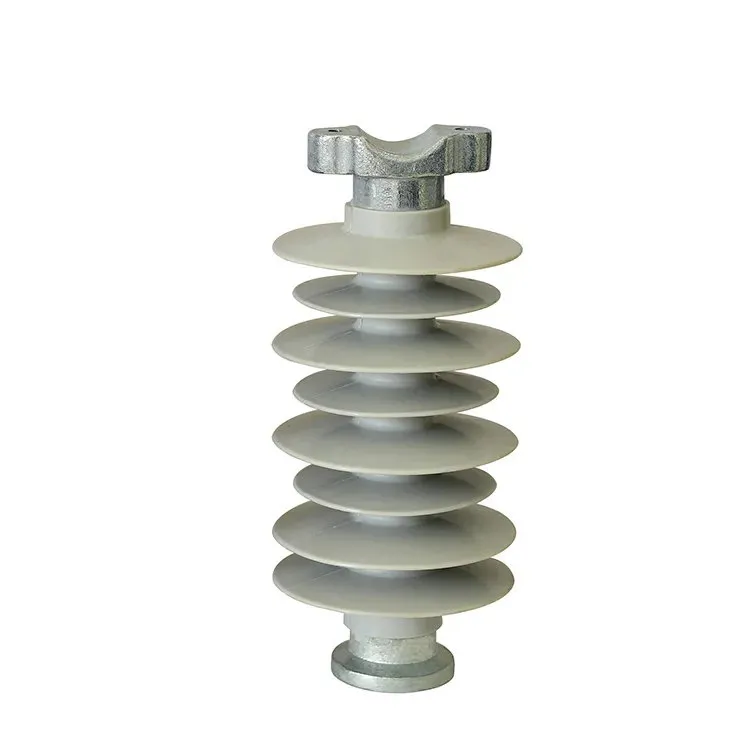
A line post supports the conductor from a relatively rigid attachment to the structure. Show the post orientation, conductor position and base interface on the drawing. Bending at the base and combined service loading require a line-post design review; a tension-insulator rating is not an interchangeable measure.
The published long rod polymer insulator context is a boundary link, not a substitute for this application record.
How should the base, top fitting and conductor hardware be specified?
Specify both interfaces: the structure attachment at the base and the conductor fitting at the top. Include mating dimensions, orientation and any relevant hardware restrictions. A top fitting that appears similar in a photograph may have a different clamp or fastening arrangement.

| Interface question | Record before quotation | Do not infer |
|---|---|---|
| Attachment hardware | Drawing and mating part | Fit from appearance |
| Conductor termination | Size and clamp detail | Range from another model |
| Orientation | Line direction and view | Field clearance from photo |
Which site conditions affect the line-post insulation review?
For the line-post route, collect pollution exposure, wetting, altitude and service temperature conditions from the project basis. Separate the insulation-selection review from the mechanical support review so that a suitable creepage proposal does not hide an unresolved base-load question.
What should installation teams check at the post base?
Before installation, match the delivered base and conductor fitting to the approved drawing. Check visible damage and the specified orientation, then use the manufacturer’s fastening and handling instructions. Do not infer a permissible tightening torque or installation angle from a different post design.
OSHA electrical resources are public safety context, while owner procedures and competent project personnel govern the work.
Which dimensions must be confirmed for the offered line post?
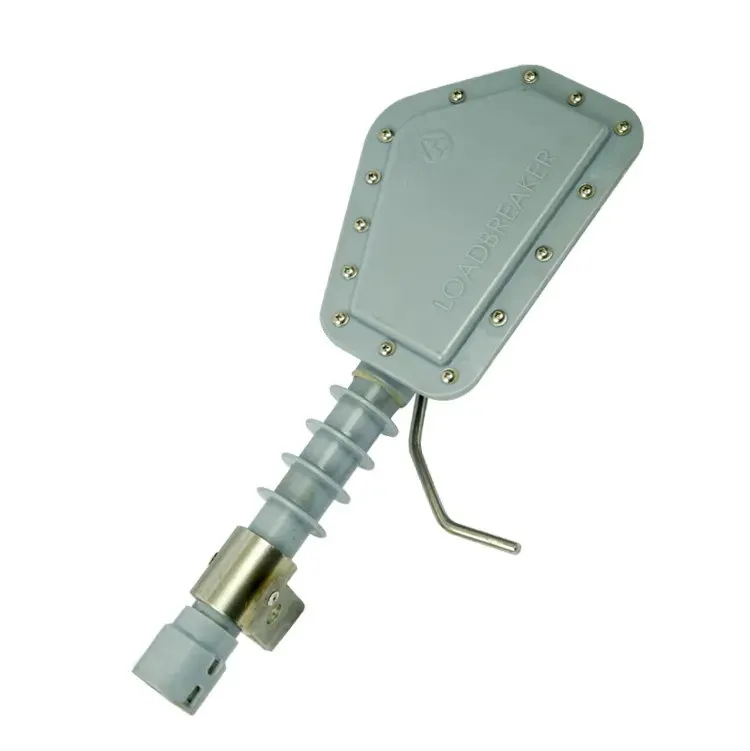
The verified FZS-33 Polymer Insulator page is an exact-model source for catalogue context. It is appropriate to ask whether the published configuration corresponds to stated project inputs. It is not appropriate to convert a product image or title into a universal application approval. For a related technical topic, see Polymer Suspension Insulators: Selection Inputs for Overhead Lines.
The polymer pin selection context addresses a different mounting logic and cannot fill missing evidence here.
What belongs in a line-post insulator RFQ?
A line-post enquiry needs the conductor position and load basis, base drawing, top fitting, electrical duties and site conditions. Request the offered configuration and applicable IEC 61952 documentation; clarify whether a rigid or braced arrangement is being proposed.

Product recommendation — exact model context only
When documented inputs are compatible with the approved procurement review, FZS-33 Polymer Insulator is a first-party catalogue reference. It is not recommended by default for every line post case. Confirm the offered model, drawing, fittings, and project evidence before acceptance.
Send the evidence set through request a quote so the supplier can respond to a defined scope.
Which loads and fittings must the selected insulator meet?
Mechanical design, installation authorization, and certification statements remain outside this article. The owner and engineer decide what is suitable. IEC supplies standards context, but the project specification defines applicable requirements.
FAQ
What is the practical role of a polymer line post insulator?
It is an application description, not a universal product approval. Define the structure, conductor path, interfaces, route conditions, and requirements first.
Which installation details should be checked first?
Check the current drawing, attachment, conductor interface, hardware set, orientation, clearances, and owner requirements.
Why must the hardware interface be recorded?
Fittings and attachment details determine whether a candidate can be reviewed against the actual structure; appearance does not prove interchangeability.
What route conditions belong in the review?
Record pollution exposure, climate or altitude inputs when required, access constraints, and inspection expectations.
Can a published product page replace a project design?
No. It identifies catalogue context. The project team must confirm the exact configuration against approved inputs.
What evidence should accompany a quotation request?
Include drawings, line configuration, interfaces, route conditions, requirements, documentation needs, quantity, and delivery scope.
When should the owner or engineer review the application?
Escalate when the drawing, interface, environmental requirement, or approval criterion is incomplete.
Which drawings and inspection records should the owner retain?
Retain the post drawing with the base attachment details and the conductor support geometry. The load application point matters: moving the conductor or changing the top hardware can alter the mechanical review even when the catalogue model name is unchanged.
If a post cannot fit the existing base, stop the substitution review at that interface. A revised bracket or drilling arrangement needs the responsible designer’s acceptance before the installer treats it as a field adjustment.
Le maintenance record should identify each post type and its base arrangement. Record observed housing or fitting damage and changes to conductor hardware, so replacement review can distinguish deterioration from a configuration mismatch.
Which standards and load records apply to the offered line post?
A current review should separate the insulator standard from the installation decision. IEC Webstore material should be checked for the applicable composite line-post and post-insulator test scope, while the project record should state voltage class, pollution exposure, mechanical load path, conductor hardware, clearances and the exact end fitting. This prevents a catalogue family name from being treated as proof that the offered unit fits the structure.
The evidence package should also record who approved the interface drawing, which environmental assumptions remain open, and how receiving inspection will identify the supplied batch. That information is more useful than an unqualified service-life claim because it can be reviewed after installation and compared with the as-built line.
Résumé
Select a polymer line post insulator only after the line arrangement, load path, environment and fitting interface are documented. Use IEC scope as a verification route, then require drawing, test and installation records for the exact offered unit.