
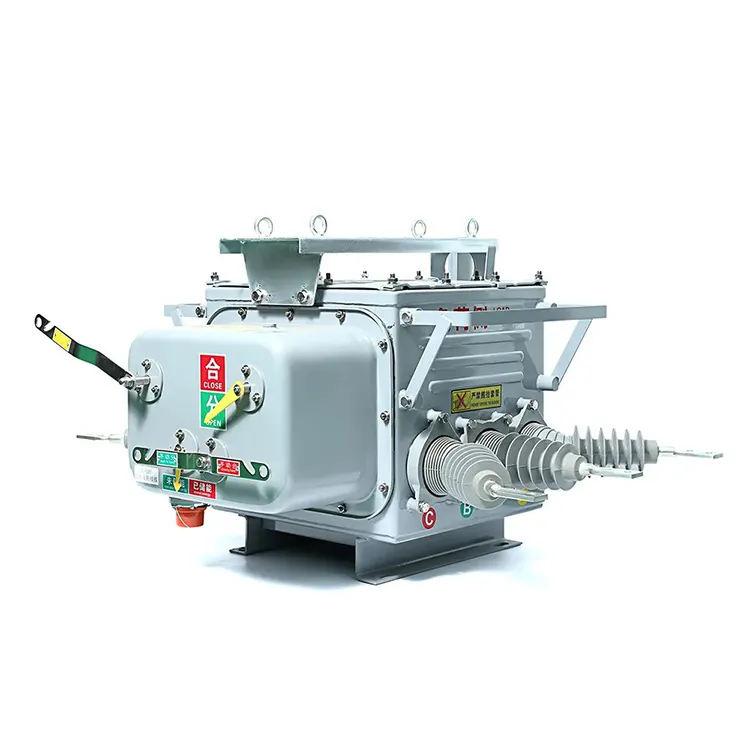
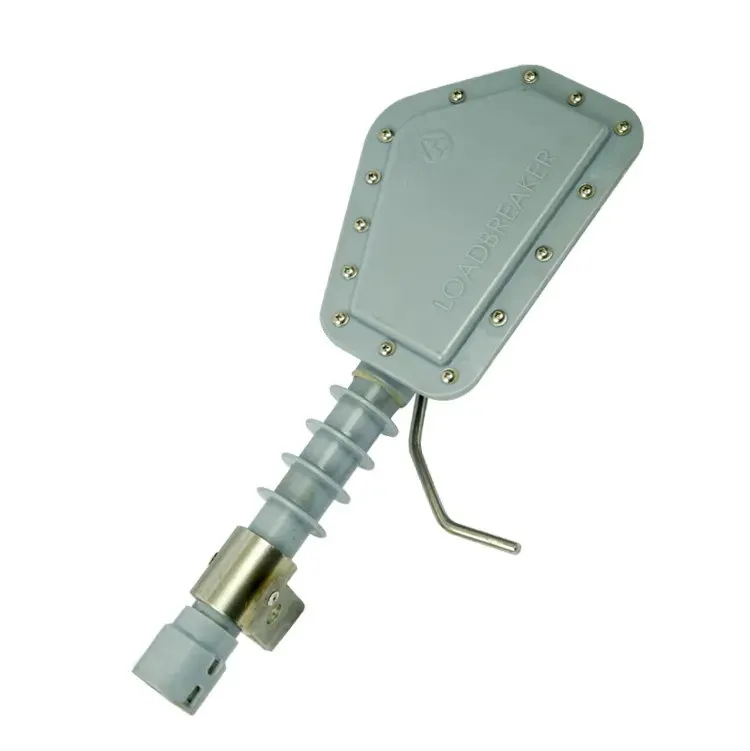


Two quotations for a medium-voltage déconnecteur are difficult to compare when one includes brackets, an operating mechanism and commissioning records while the other prices only the main poles. Technical ambiguity becomes a commercial problem as soon as omitted items reach installation. A useful RFQ gives each bidder the same duty schedule, interface drawings and document requirements, then requires a response against every item. This checklist explains what to send, what to request and which unresolved questions should prevent release for manufacture.
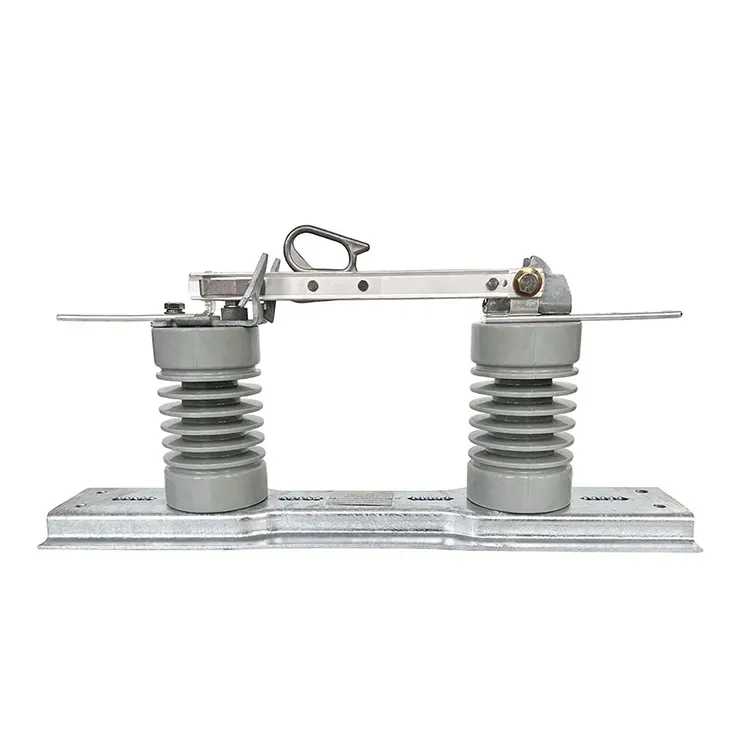
A medium-voltage disconnector RFQ should state the isolation function, network ratings, short-circuit withstand duty, service conditions and permitted operating sequence. Add the support and terminal drawings, operating method, interlocks, accessories and document schedule. Require the exact offered model and a line-by-line response with exceptions. IEC 62271-102 supplies the disconnector and earthing-switch scope; the requested standard edition must be stated explicitly. A supplier’s general compliance declaration is insufficient if it does not identify the configuration, duties and documents included in the offer.
Which buyer inputs should be fixed before the RFQ is issued?
Attach the single-line diagram and equipment tag list, followed by the electrical duty schedule. Separate system voltage from equipment ratings, and state frequency, normal current and the required short-circuit withstand current and duration. Identify which values come from the network study and which require supplier confirmation.
The operating schedule must say when the disconnector may be operated and which other device clears or switches the circuit. If earthing, limited switching or a separate making duty is required, give it a separate entry rather than burying it under accessories.
What should a line-by-line response contain?
Give each requirement an identifier. Ask the bidder to enter the offered value or arrangement, its source document and revision, and any deviation. A blank cell should remain an open question; it should not be interpreted as acceptance. Avoid a single compliant stamp covering an incomplete schedule.

For drawings, request terminal details, mounting dimensions and the complete operating envelope. For controls, identify supply voltage, auxiliary contacts, local or remote operation and interlock responsibilities where applicable. Record exclusions in the same schedule so commercial comparison uses the actual scope.
Define isolation and switching duties before filling in the response schedule; the device name alone cannot settle them.
| RFQ field | Buyer supplies | Supplier returns |
|---|---|---|
| Function and sequence | Isolation boundary and permitted operations | Offered device and limitations |
| Electrical duty | Network and withstand requirements | Ratings and supporting references |
| Interfaces | Support and conductor drawings | Dimensioned offered arrangement |
| Scope and records | Accessory and document lists | Included items, exclusions and revisions |
How should tests, drawings and accessories be priced?
Separate equipment, mechanism, brackets, terminals, earthing accessories, controls, spares and documentation in the price schedule. State which inspection activities and test records are required with delivery. This prevents a lower equipment price from hiding missing items that the installer must later source.

Type-test references should be traceable to the offered design and required duty. Routine records must identify the delivered equipment. Ask for the applicable standard edition and the basis for accepting any construction difference; a test report for another family member needs engineering review.
Which unresolved questions should stop manufacture?
Hold release when duty, mounting, terminal interfaces or operating sequence remains ambiguous. Resolve deviations in writing and issue the accepted drawing revision to both supplier and installer. Assign an owner to every open item and distinguish a commercial concession from technical approval.
The final handover package should contain the accepted schedule, as-built drawing, equipment identification, agreed records and operating instructions. Keep the original quotation exceptions with the resolution so later replacement orders do not repeat an assumption that the project had already rejected.
FAQ
What is the most important field in a disconnector RFQ?
Start with the required function and permitted operating sequence. Ratings and drawings can then be reviewed against a defined duty rather than an ambiguous equipment name.
Should a supplier fill every response-schedule row?
Yes, including entries that are not applicable. Missing information should be identified as open, with a responsible party and an agreed resolution stage.
Can manufacture begin while the terminal drawing is open?
That creates a risk of incompatible equipment. Resolve interfaces affecting manufacture before release, or document an explicitly approved project hold point.
Which documents support later replacement orders?
Retain the accepted technical schedule, final drawings, delivered identity, routine records, operating instructions and resolved deviations. A previous purchase order number alone may not identify the complete configuration.
Résumé
An effective RFQ makes omissions visible before they become site work. Give every bidder the same functional schedule, electrical duties, drawings and document list. Require offered values, source references and explicit exceptions, then compare the price against the complete included scope. Release manufacture only after the interfaces and operating sequence affecting the design have been accepted. At delivery, connect the equipment identity to the final drawings and records. This gives the owner a usable basis for operation, inspection and future replacement rather than a collection of quotations that appear similar but describe different assemblies.