
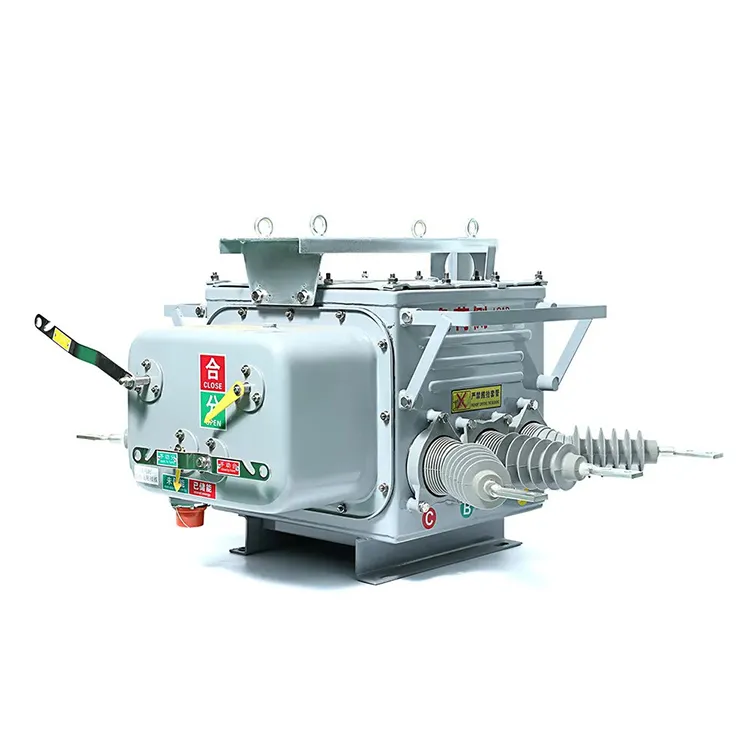
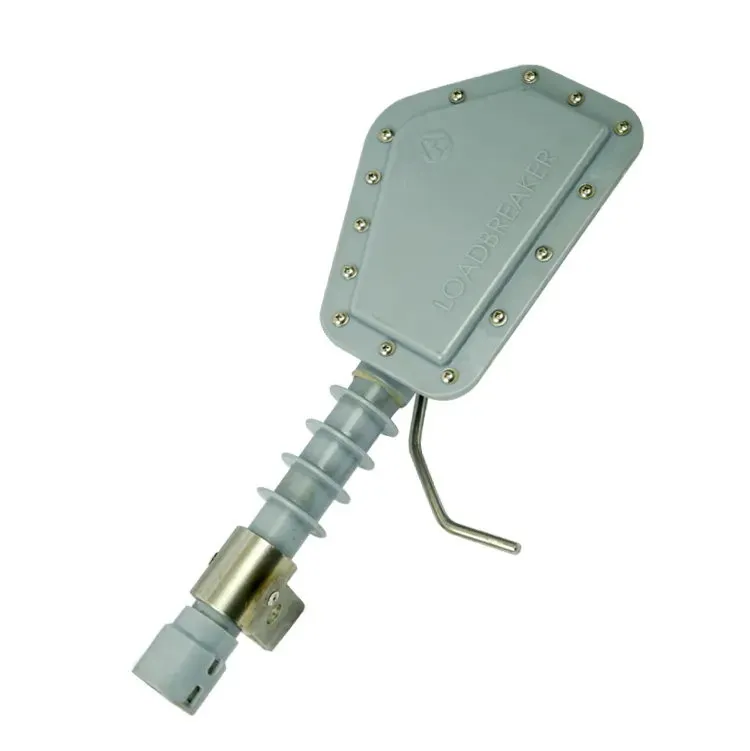


When a procurement engineer in Nairobi encountered a breaker truck that stopped short during a cubicle fit check, she halted the factory inspection and compared the approved interface drawing with the supplied unit. Within minutes, the team found different primary-contact spacing and a mismatched secondary plug. The breaker was not inherently defective; the shortlist had compared voltage, current, and price while overlooking mechanical compatibility and control interfaces.
Resumen: The “top” manufacturer is the one that can prove a suitable, repeatable design for the specified project—not the company with the longest product list. IEC 62271-100 covers AC circuit breakers above 1 kV, while IEEE C37.09 provides North American test procedures; neither is a supplier certification. Build a shortlist from verified ratings, type- and routine-test evidence, interface control, spare-parts planning, and service capability, then score every bidder against the same schedule.
What “top manufacturer” should mean for a medium-voltage project
A useful comparison begins with the network duty: rated voltage, frequency, normal current, short-circuit breaking and making duties, operating sequence, insulation level, grounding method, and protection philosophy. A catalogue family spanning several voltage classes does not prove that one offered model matches the system study. Buyers comparing vacuum circuit breaker manufacturers should request a completed data schedule for the exact configuration rather than accept a general brochure.
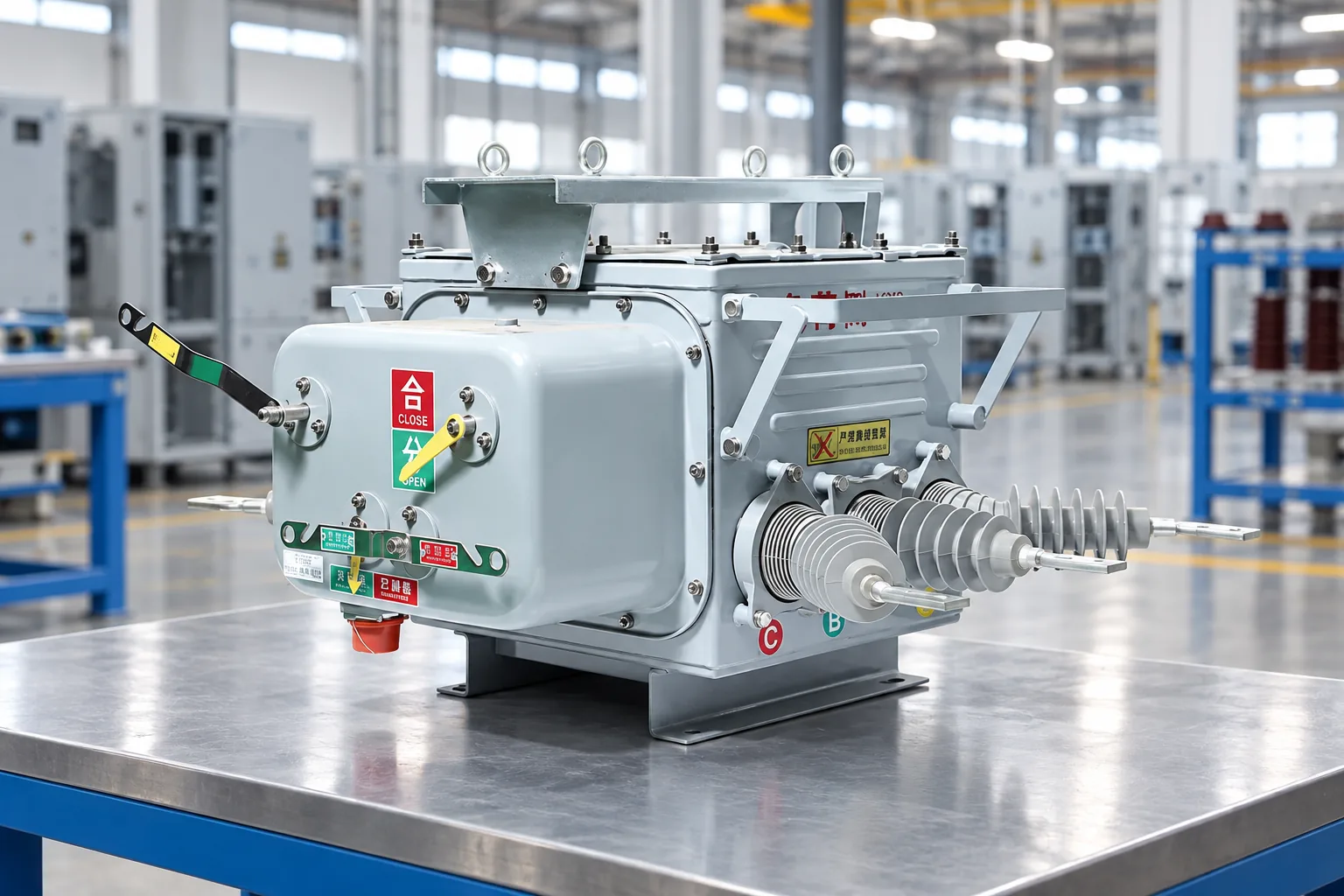
Next, define the installation. Indoor withdrawable switchgear, fixed indoor equipment, pole-mounted outdoor units, and substation breakers impose different enclosure, insulation, access, and mounting requirements. An 11 kV or 15 kV label alone says nothing about cubicle fit, terminal geometry, environmental duty, or control voltage. The approved general arrangement, wiring diagram, and interlock matrix therefore carry commercial value: an interface error can delay commissioning even when electrical ratings are correct.
Finally, compare evidence and lifecycle support. A supplier should identify the tested design, applicable standard edition, rating covered, laboratory, report reference, and any differences between the tested and offered configurations. It should also state spare-part identifiers, recommended quantities, maintenance instructions, training scope, and the route for technical support. “Global brand” and “local service” are not measurable unless the bid names the responsible entity and deliverables.
How does test evidence expose performance and commercial risk?
Type tests demonstrate that a representative design meets specified duties, such as dielectric performance, temperature rise, short-circuit making and breaking, and mechanical or electrical endurance where applicable. Routine tests are production checks applied to individual equipment under the governing standard; they help identify manufacturing or assembly defects. A vacuum circuit breaker medium voltage comparison should request both the relevant type-test evidence and the routine-test record for each supplied unit.
| Comparison dimension | Evidence to request | Risk if left vague |
|---|---|---|
| Electrical performance | Completed rating schedule, applicable IEC or IEEE basis, short-circuit study inputs | Underrating, over-specification, or incomparable bids |
| Test coverage | Traceable type-test reports and unit-specific routine-test reports | Offered design may differ from the tested design |
| Durability | Declared mechanical and electrical endurance classes or duties, operating mechanism data | Maintenance assumptions may not match switching duty |
| Compatibility | Approved drawings, contact geometry, wiring, interlock matrix, retrofit survey | Rework, delayed outages, or unsafe operating sequences |
| Mantenimiento | Manuals, inspection criteria, wear limits, tools, training, spare-parts list | Longer recovery time and inconsistent servicing |
| Tendencia del costo unitario | Itemized scope, exclusions, accessories, commissioning, freight, and warranty terms | A low quote can omit essential project items |
| Costo total de propiedad | Engineering, installation, outages, planned maintenance, spares, and support assumptions | Purchase price hides the larger lifecycle exposure |
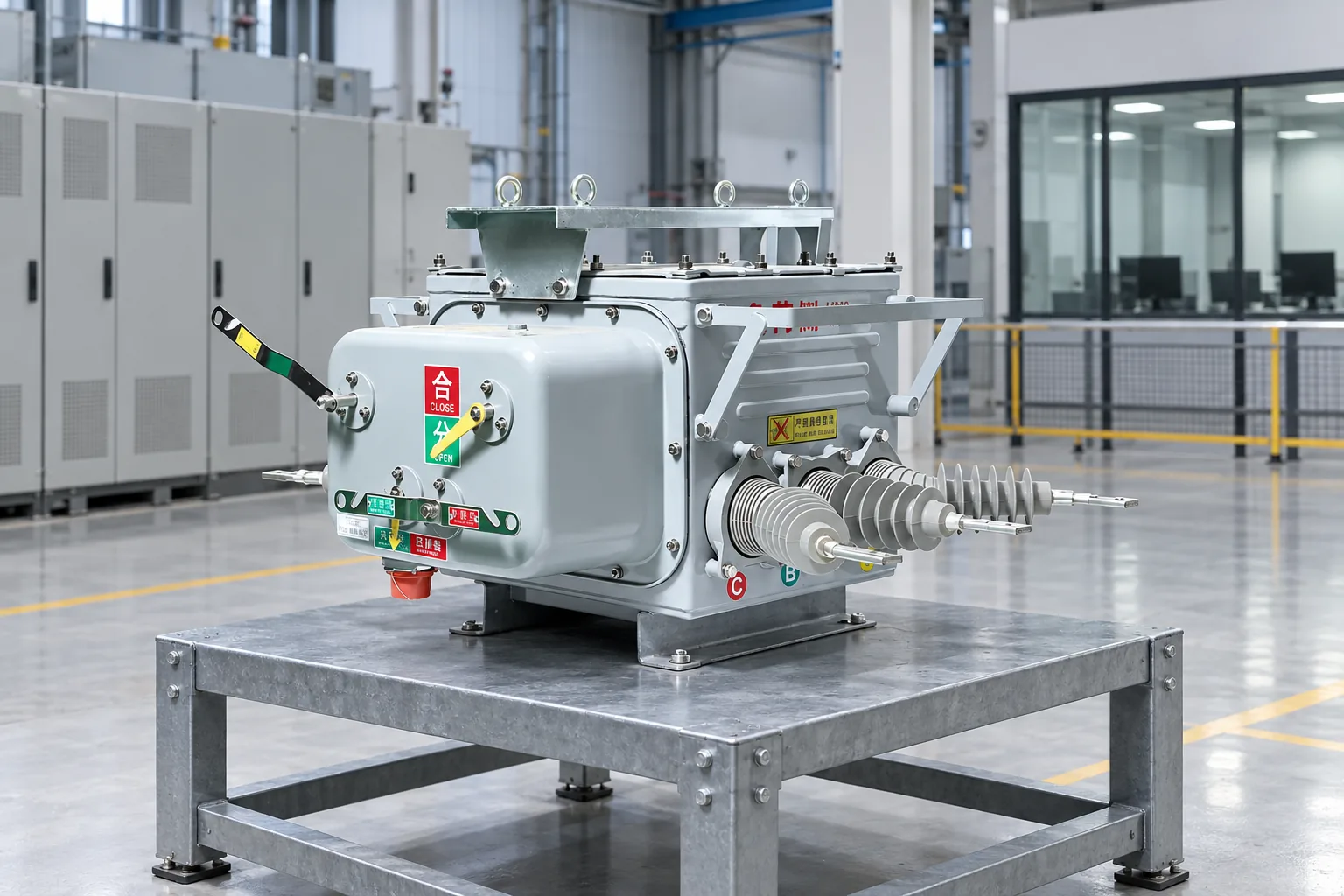
For an illustrative TCO comparison, add purchase price, engineering review, switchgear modification, commissioning, recommended spares, planned service, and outage exposure over the owner’s evaluation period. If one proposal needs a longer retrofit shutdown, use the owner’s approved downtime rate rather than inventing a universal cost. The calculation need not predict every failure; it should expose different assumptions before contract award.
How should buyers compare application fit and lifecycle support?
Customization should be bounded by a controlled engineering process. Trip and close voltages, auxiliary contacts, anti-pumping logic, motor charging supplies, interlocks, CT and VT interfaces, relay panels, and communications may be configurable, but a change can affect wiring, auxiliary burden, clearances, or the tested design. Require a deviation list and revised drawings; do not assume a custom protection scheme remains within existing type-test coverage.
| Aplicación | Manufacturer comparison priority | Service and spares question |
|---|---|---|
| New indoor switchgear | Assembly coordination, withdrawable positions, shutters, interlocks, internal wiring | Who supports the breaker-to-panel interface and commissioning? |
| Retrofit in an existing cubicle | Site survey, primary contacts, truck geometry, secondary plug, racking and interlocks | Are interface parts, drawings, and outage support included? |
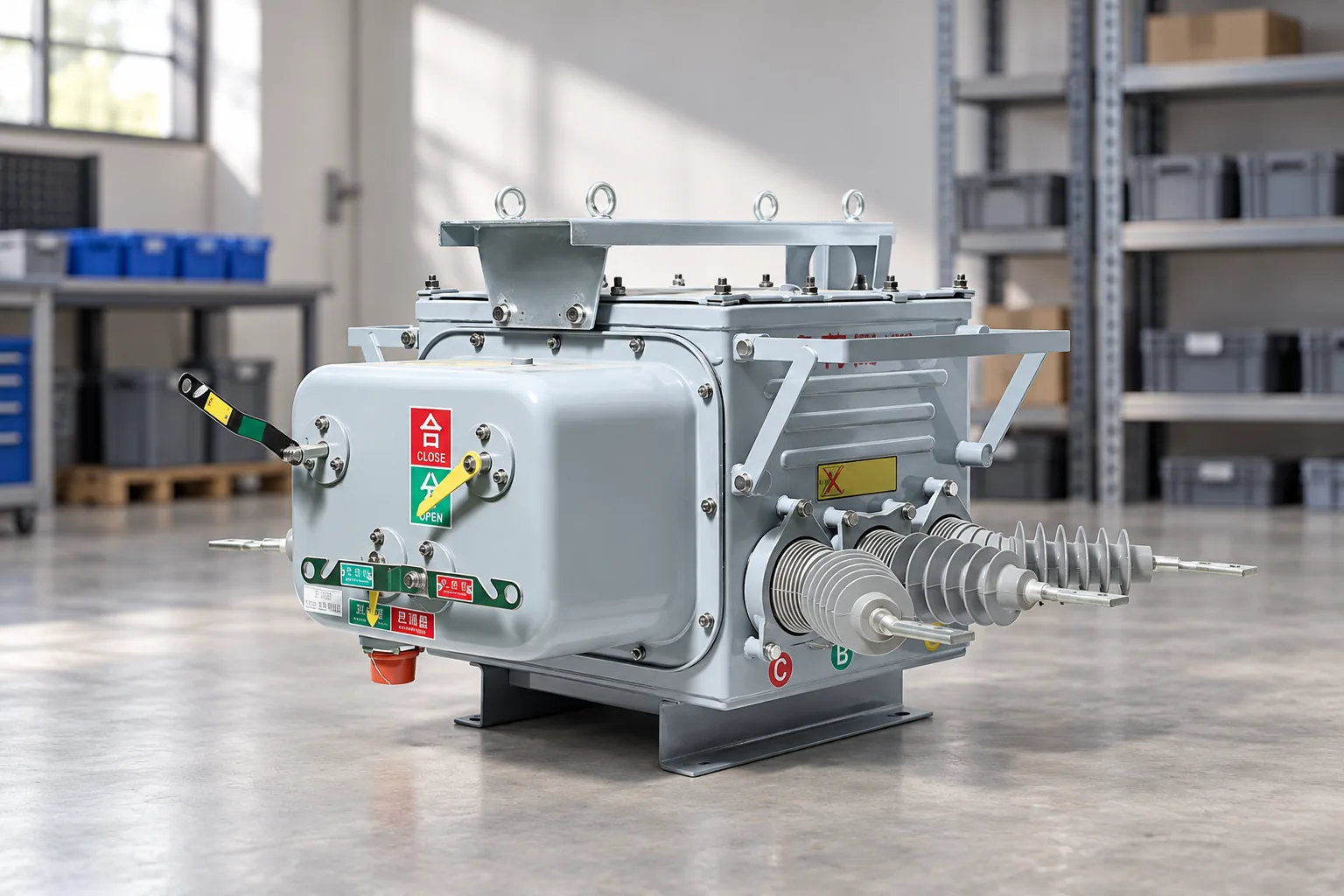
| Outdoor distribution | External insulation, pollution, enclosure, heaters, mounting, terminal arrangement | Which weather-exposed parts are stocked near the destination? |
| Frequent switching duty | Declared endurance, mechanism monitoring, operation count, maintenance thresholds | What wear parts and specialist tools are required? |
| Utility or multi-site program | Configuration control, repeatability, document revision, interchangeable spares | How are obsolescence and approved substitutions managed? |
Indoor and outdoor support models should not be assumed equivalent. The related medium-voltage VCB manufacturers discussion shows why exposed insulation, pollution, cabinet sealing, and field access alter the evidence required. Technology choice also affects operating policy; compare the environmental and maintenance implications in this SF6 versus vacuum circuit breaker guide.
Which standards and evidence should define the shortlist?
IEC 62271-100 specifies ratings and test requirements for AC circuit breakers above 1 kV. IEC 62271-1 supplies common specifications, and IEC 62271-200 addresses AC metal-enclosed switchgear above 1 kV and up to and including 52 kV. For North American work, IEEE C37.04 establishes the rating structure and IEEE C37.09 addresses test procedures. Contract documents should name the required family, edition, ratings, and deviations instead of mixing IEC and ANSI/IEEE terminology without reconciliation.
These standards are not company certifications. A product conformity certificate, independent test report, laboratory accreditation, and ISO 9001 quality-management certificate each answer different questions and do not substitute for one another. Unsupported claims can lead to rejected submittals, additional testing, schedule loss, or utility refusal, so evidence must be traceable to the offered design and destination requirements.
Which five procurement actions produce a defensible shortlist?
- Freeze the duty schedule. Issue electrical ratings, operating sequence, environment, interface, control, and documentation requirements to every bidder.
- Screen evidence before price. Verify report identity, rating coverage, standard edition, laboratory, and configuration differences.
- Hold an interface review. Approve drawings, wiring, interlocks, dimensions, mounting, tools, and site responsibilities before production.
- Score lifecycle support. Compare manuals, training, routine-test records, warranty boundaries, named service route, spares, and obsolescence policy.
- Record deviations. Make exclusions and substitutions visible in the commercial evaluation and obtain engineering approval.
When considering Fuerte, apply this same evidence-based scorecard: ask for the exact offered model, rating schedule, document list, test basis, interface drawings, deviations, and post-delivery support scope. A responsible shortlist keeps brand recognition separate from project-specific proof.
What do buyers ask when comparing VCB manufacturers?
Who are the top medium-voltage vacuum circuit breaker manufacturers?
There is no defensible universal ranking because the strongest candidate depends on voltage class, fault duty, installation, destination rules, retrofit interfaces, and service location. Build a project shortlist, then compare traceable test evidence, configuration control, documentation, spares, and support against the same weighted schedule.
How do I compare VCB manufacturers for medium-voltage projects?
Start with mandatory pass/fail requirements for ratings, standards, type-test coverage, routine tests, and interfaces. Score compliant bids on customization control, documentation, delivery scope, lifecycle cost, spare parts, and named service resources; clarify every deviation before comparing price.
Which certifications should a VCB supplier have?
No single supplier certificate proves that a VCB is suitable. Request any management-system or market-access certificates required by the contract, but separately verify product conformity, accredited laboratory evidence, type-test scope, routine-test records, and local regulatory acceptance.
Can manufacturers provide custom protection and control schemes?
Many projects require tailored trip and close supplies, auxiliary contacts, relay logic, interlocking, and communications, but responsibility may be shared with a switchgear integrator or protection specialist. Approve schematics, burden and supply calculations, interface lists, functional tests, cybersecurity requirements where relevant, and any effect on type-tested design scope.
What factory tests should a VCB manufacturer complete?
The manufacturer should complete the routine tests required by the specified standard and contract for each supplied unit, with serial-number traceability. It should also provide relevant type-test evidence for the representative design and any agreed inspection or functional tests; the exact list depends on whether the contract uses IEC or IEEE requirements.
How important are spare parts and local service?
They are important wherever outage duration, remote location, or fleet standardization drives risk. Verify part numbers, interchangeability, storage life, recommended quantities, lead-time commitments, technical escalation, training, tools, and who is actually authorized and equipped to support the destination.
Which sources support this manufacturer-evaluation framework?
- IEC 62271-100, Aparamenta de alta tensión—Interruptores automáticos de corriente alterna
- IEC 62271-1, Common specifications for AC switchgear and controlgear
- IEC 62271-200, Aparamenta de alta tensión en envolvente metálica para corriente alterna de más de 1 kV y hasta 52 kV inclusive
- IEEE C37.09, Procedimiento de prueba para interruptores automáticos de corriente alterna de alta tensión
The best manufacturer decision is traceable from system study to supplied serial number. To evaluate Fuerte alongside other candidates, contact Fuerte with your single-line diagram, duty schedule, installation environment, interface drawings, required standard family, and service location.