


For a global B2B overhead-line review, a polymer strain insulator should be treated as part of a controlled evidence package. It must be evaluated against the actual line arrangement, not selected from a generic label.
When does a line arrangement require strain insulation?
A polymer strain insulator belongs to a documented overhead-line arrangement. The question is not whether polymer is a broad category, but whether the route, structure, conductor hardware, and approved evidence define a compatible application. This guide stays within the strain context and does not repeat pin or disc selection, compare materials, or invent ratings.
ال polymer insulator المنطقة is a first-party navigation page, not a design calculation. The approved route drawing, owner specification, and engineering review remain controlling evidence.
| Review item | أدلة للطلب | لماذا يهم الأمر |
|---|---|---|
| Line function | Arrangement drawing | Sets the boundary |
| Structure position | Structure detail | Identifies attachment context |
| Conductor path | Hardware schedule | Avoids assumed interfaces |
How do line angles and tension change the load path?
A strain arrangement carries longitudinal conductor load rather than serving only as a rigid support. Identify whether the location is a terminal, an angle or another tension-bearing position. Show conductor directions and the actual structure attachment so the designer can establish the applicable load combinations.
The published long rod polymer insulator context is a boundary link, not a substitute for this application record.
Which end fittings keep the strain assembly aligned?
The strain assembly needs a continuous, identified load path through the end fittings and mating hardware. Record alignment, articulation and connection dimensions. A tensile rating for the insulator alone does not establish the capacity or suitability of the complete hardware chain.

| Interface question | Record before quotation | Do not infer |
|---|---|---|
| Attachment hardware | Drawing and mating part | Fit from appearance |
| Conductor termination | Size and clamp detail | Range from another model |
| Orientation | Line direction and view | Field clearance from photo |
Which electrical and environmental conditions need separate review?
Electrical selection remains a separate task from the tension review. State the required insulation duties, pollution and wetting exposure, altitude and clearances from the project basis. Neither a longer unit nor a larger mechanical rating automatically resolves those electrical conditions.
What should be checked during handling and installation?
Protect the housing and end interfaces during transport and erection. Before installation, check the accepted identity, fitting dimensions and visible condition. The owner and manufacturer must provide the applicable handling, tensioning and acceptance procedures rather than relying on a generic article.
OSHA electrical resources are public safety context, while owner procedures and competent project personnel govern the work.
How should a proposed strain unit be compared with the existing assembly?
The verified عازل بوليمري FXB-24 page is an exact-model source for catalogue context. It is appropriate to ask whether the published configuration corresponds to stated project inputs. It is not appropriate to convert a product image or title into a universal application approval.
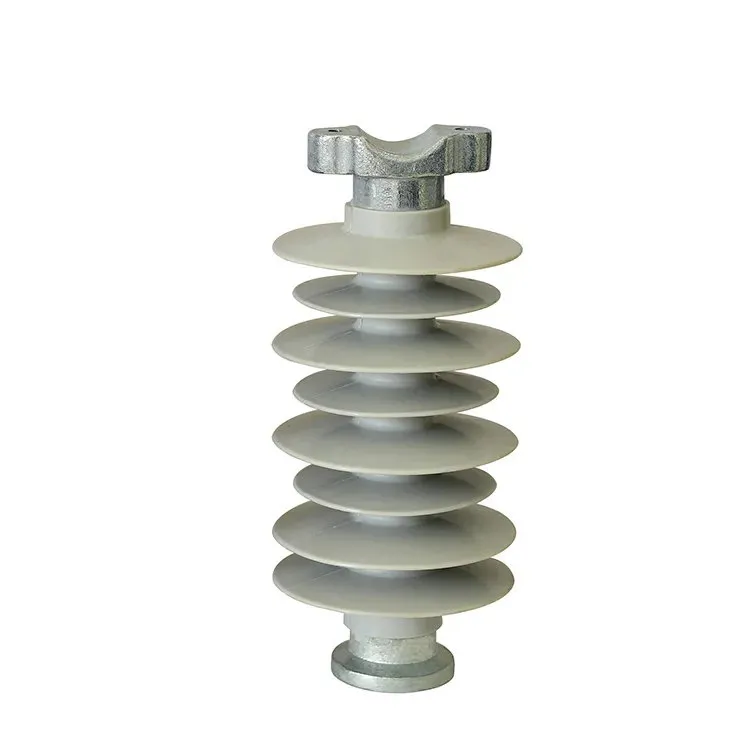
The polymer pin selection context addresses a different mounting logic and cannot fill missing evidence here.
Which load and interface details belong in the strain-insulator RFQ?
Provide the load basis, conductor directions, structure attachment, end fittings and electrical requirements. Ask for the offered strain configuration, dimensional drawing, included hardware and the test records applicable to that construction under IEC 61109 where relevant.

Product recommendation — exact model context only
When documented inputs are compatible with the approved procurement review, FXB-24 Polymer Insulator is a first-party catalogue reference. It is not recommended by default for every strain case. Confirm the offered model, drawing, fittings, and project evidence before acceptance.
Send the evidence set through request a quote so the supplier can respond to a defined scope.
Which loads and fittings must the selected insulator meet?
Mechanical design, installation authorization, and certification statements remain outside this article. The owner and engineer decide what is suitable. IEC supplies standards context, but the project specification defines applicable requirements. For a related technical topic, see Polymer Line Post Insulators: Installation Context and Design Questions.
الأسئلة الشائعة
What is the practical role of a polymer strain insulator?
It is an application description, not a universal product approval. Define the structure, conductor path, interfaces, route conditions, and requirements first.
Which installation details should be checked first?
Check the current drawing, attachment, conductor interface, hardware set, orientation, clearances, and owner requirements.
Why must the hardware interface be recorded?
Fittings and attachment details determine whether a candidate can be reviewed against the actual structure; appearance does not prove interchangeability.
What route conditions belong in the review?
Record pollution exposure, climate or altitude inputs when required, access constraints, and inspection expectations.
Can a published product page replace a project design?
No. It identifies catalogue context. The project team must confirm the exact configuration against approved inputs.
What evidence should accompany a quotation request?
Include drawings, line configuration, interfaces, route conditions, requirements, documentation needs, quantity, and delivery scope.
When should the owner or engineer review the application?
Escalate when the drawing, interface, environmental requirement, or approval criterion is incomplete.
Which drawings and inspection records should the owner retain?
For a replacement strain unit, compare the actual installed assembly with the proposed drawing. Overall length, coupling dimensions and load alignment all need confirmation; catalogue resemblance alone does not show that the replacement fits.
If the review identifies a different fitting or assembly length, resolve it with the line designer before ordering. A small interface change can alter the installation arrangement and should not be hidden in a supplier exception note.
Retain both the accepted load basis and the final hardware drawing. Inspection records should locate damage on the housing, fitting or mating hardware so a replacement decision addresses the affected part of the strain assembly.
Which load and fitting records are needed before ordering?
A tension application needs a clearly defined mechanical load path. Document the conductor arrangement, maximum mechanical load, structure attachment, end-fitting geometry, electrical clearances and environmental exposure before comparing polymer strain insulators. IEC 61109 is a useful route for composite suspension and tension insulator requirements, but it does not remove the need to verify the project’s actual load path.
At receipt and installation, connect the unit serial or batch record to the fitting drawing and inspection checklist. Check orientation, seals, hardware, conductor clamp interfaces and any approved deviation before the line is energized.
ملخص
Choose a polymer strain insulator from the combined electrical and mechanical record. Standards, end-fitting drawings and installation evidence should agree before the quotation becomes an approved line component.