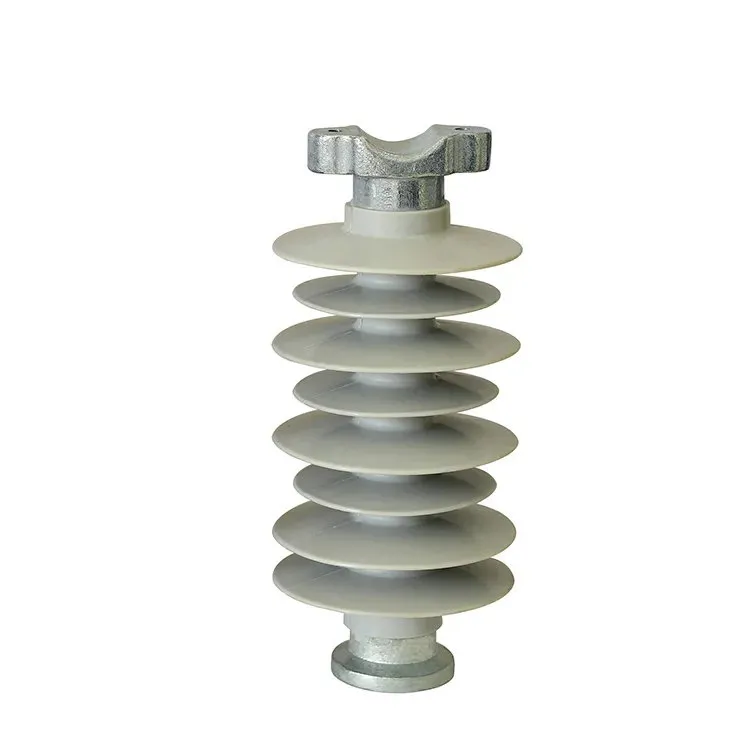
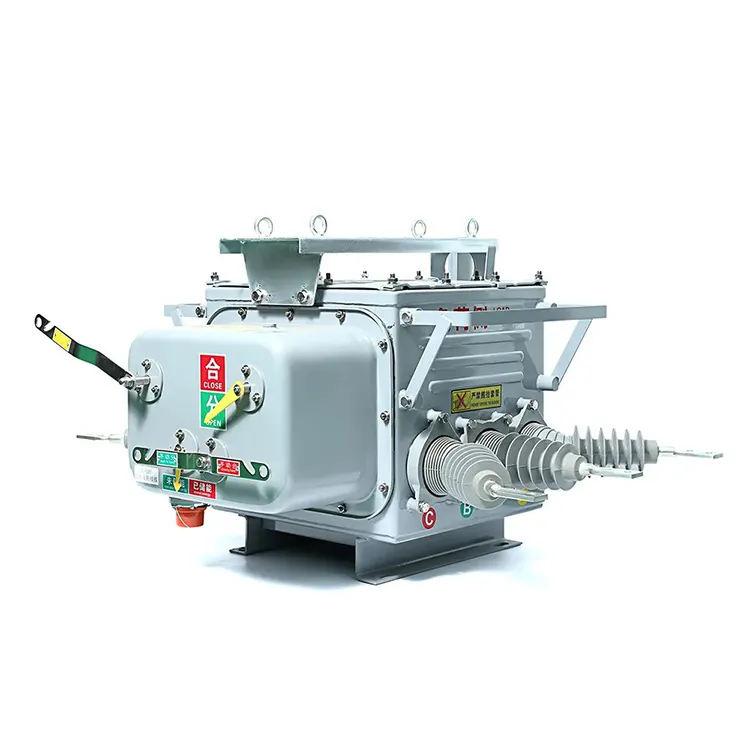
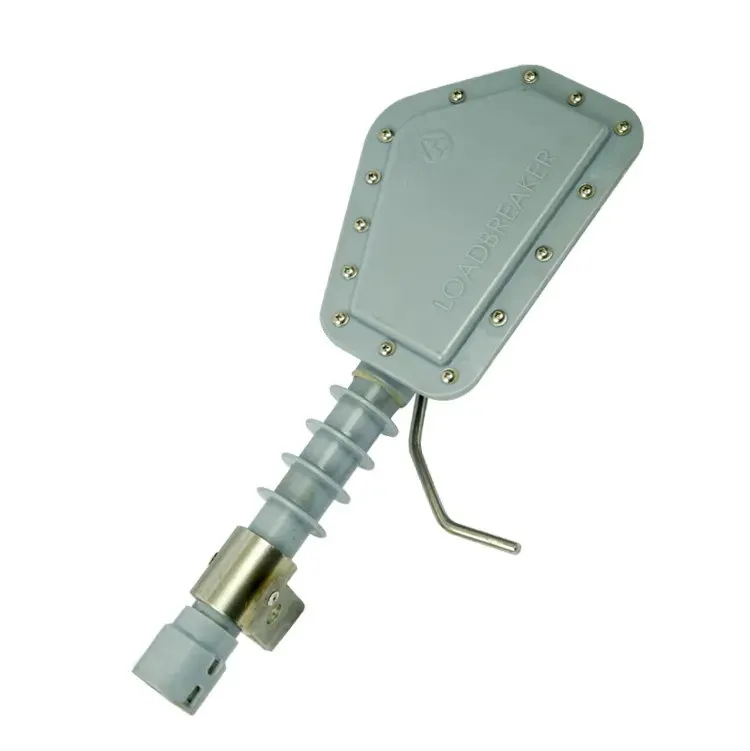


An offer labelled only “polymer insulator, 24 kV” leaves a buyer with several unanswered questions. Is the item intended to support a conductor, carry line tension, or serve another mounting arrangement? Does the quoted drawing match the end fittings and hardware that will arrive? A price comparison is unreliable if one supplier has included accessories while another has offered only the insulating assembly. The offer therefore needs to identify a particular configuration, not just a product family. This guide explains which identity fields belong in the quotation, how to connect them to evidence, and which changes require technical review before an order is released.
Which details identify the exact insulator being offered?
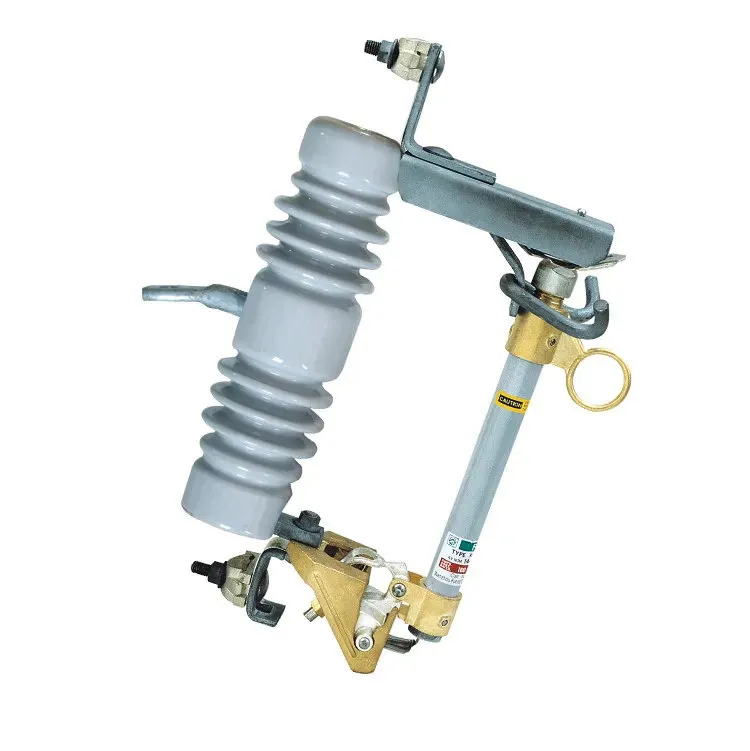
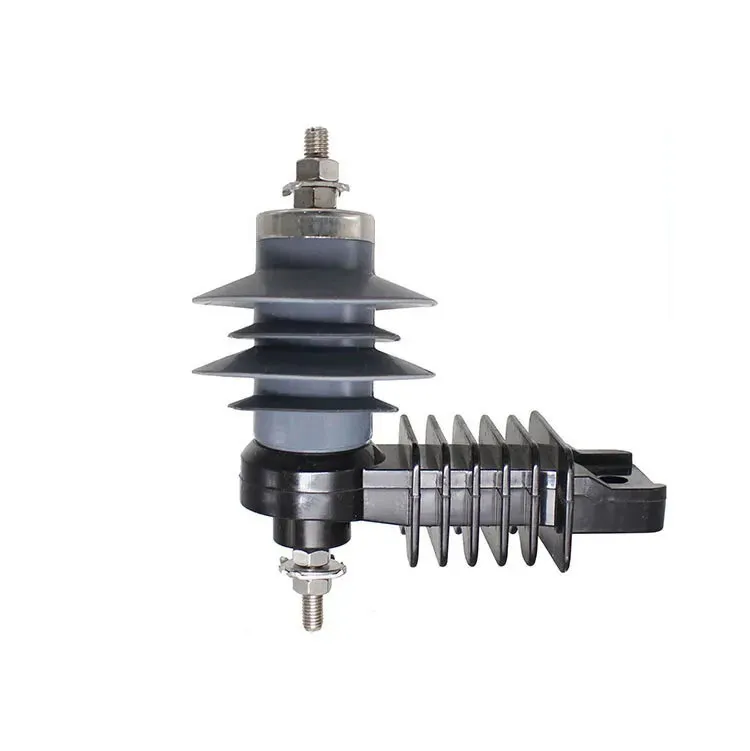
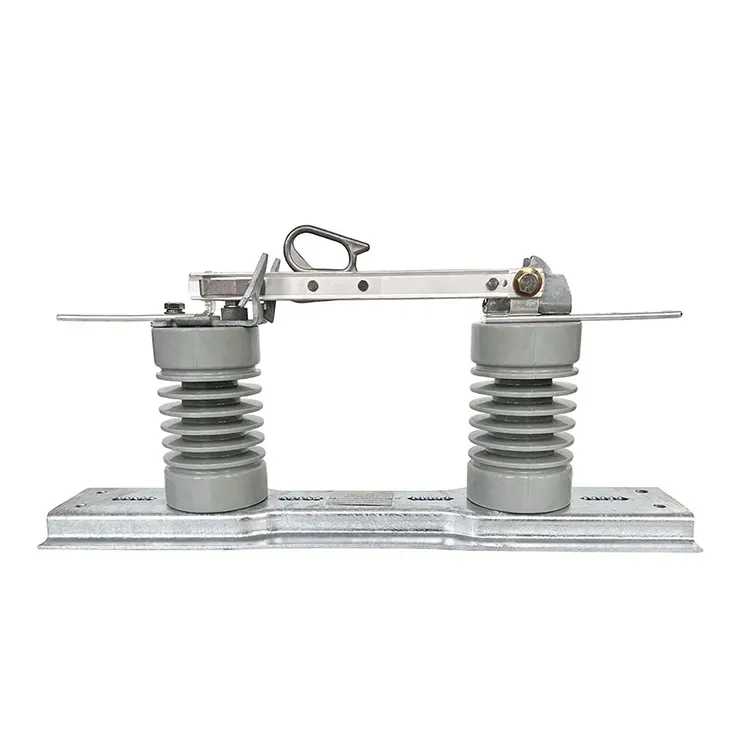
Start with the full ordering designation and the manufacturer’s name, then record the drawing number and revision. Include the insulator’s intended function and mounting arrangement. Keep the catalogue name separate from the order code if the two differ. A photograph can help identify a visible fitting or shed profile, but it cannot replace a controlled dimensional drawing.
The offered model identity should remain consistent across the quotation, sample label and order acknowledgement. If a suffix changes, ask what it changes: an end fitting, length, hardware package or another feature. Do not infer a suffix’s meaning from a similar-looking model.
Which ratings and interfaces need their own fields?
Record the specified electrical characteristics and the mechanical load characteristic relevant to the intended duty, with units and test conditions. A suspension/tension load designation and a cantilever or bending characteristic are not interchangeable labels. The project engineer should confirm which one the installation requires.

Identify mounting threads, pin or bracket arrangements, end fittings, dimensions and hardware from the offered drawing. Avoid approving an alternative simply because its nominal voltage matches. The project’s polymer insulator RFQ requirements provide the baseline against which those fields are checked.
How should a quotation describe pollution and service conditions?
State whether the installation is indoor or outdoor, AC or DC, and record altitude, ambient conditions and the pollution information available from the project. Creepage distance should be linked to the site assessment and the chosen profile, not treated as a universal number derived from voltage alone.
The public scope of IEC TS 60815-3:2025 covers outdoor polymer insulators for AC systems and identifies pollution severity, profile and correction factors as selection inputs. Its guidance does not establish a universal creepage requirement for every site, nor does it cover snow and ice effects on polluted insulators. An unknown site condition belongs in the clarification list.
How can the buyer check that the documents describe the same item?
| Record | Identity to compare | Action if it differs |
|---|---|---|
| Quotation | Order code, drawing revision and scope | Ask for a corrected offer or an explicit deviation |
| Sample | Label, visible fittings and associated drawing | Record whether it represents the production configuration |
| Test report | Tested design, method and applicable scope | Request the basis for applying it to the offered item |
| Order acknowledgement | Approved code, revision and included hardware | Resolve changes before manufacturing release |
Which standard applies to the offered construction?
The public description of IEC 61109:2025 identifies its suspension/tension scope and highlights interfaces and the parameters affecting repeated design and type tests. IEC 62217:2025 supplies common definitions, design-test methods and acceptance criteria for polymeric HV insulators; the relevant product standard determines the applicable tests. Neither publication is a certificate for a supplier’s entire range.

Ask for the claimed edition and the evidence covering the offered design. A newer standard does not automatically invalidate an older report, but it does make an unexplained “IEC compliant” statement insufficient for a current contract.
What should change control and supply scope make explicit?
| Offer detail | What to write |
|---|---|
| Accessories | Included, optional or excluded hardware, item by item |
| Alternative model | Reason for substitution and differences requiring approval |
| Revision | Previous and proposed drawing revision |
| Open condition | Who will resolve it and whether release is on hold |
This is a procurement review framework, checked against the cited public standard scopes on 14 October 2026, not a product approval. This article is published on FUERTE’s commercial website. Its FPQ-24-6T polymer insulator page is a route to a named product, not independent evidence that it meets a particular installation’s requirements.
الأسئلة الشائعة
Can two insulators with the same voltage designation be exchanged?
Not on that fact alone. Compare the intended duty, electrical characteristics, mechanical load basis, dimensions and hardware. Obtain engineering approval for the proposed substitution.
Does a sample photograph prove the final order configuration?
No. Record the sample identifier and link it to the drawing and offered code. Any difference between the sample and production supply should be stated explicitly.
Should optional fittings be included in the offered identity?
Yes, when they affect fit or the delivered assembly. State whether each fitting is included, optional or excluded so quotations can be compared on the same scope.
Does IEC 62217 replace a product-specific insulator standard?
No. Its public scope describes common test methods and acceptance criteria, while the relevant product standard identifies applicable tests. Select the standard route for the actual construction and duty.
ملخص
An offer should identify the manufacturer, full model and suffix, drawing revision, intended duty, electrical and mechanical ratings, mounting interfaces, and included hardware. The applicable standard must match the insulator type: IEC 61109:2025 covers composite suspension and tension line insulators, not every item described as polymeric. Record any departures from the RFQ alongside the offered configuration. Then check that the sample, drawing, quotation and test evidence refer to that same configuration. A shared voltage designation alone does not establish interchangeability.
خاتمة
A usable offer identifies one configuration well enough for the buyer to recognise it in every later document. Establish the intended duty first, compare the electrical and mechanical requirements next, and verify the drawing, interfaces and included hardware before accepting the price. Keep alternatives and unresolved conditions visible rather than letting them disappear into a generic catalogue description. The most important safeguard is the connection between the offered item and the evidence claimed for it; a familiar model name or standard reference cannot replace that check. FUERTE’s polymer insulator range provides product starting points. Send the approved configuration and outstanding questions through the contact page for a model-specific response.