
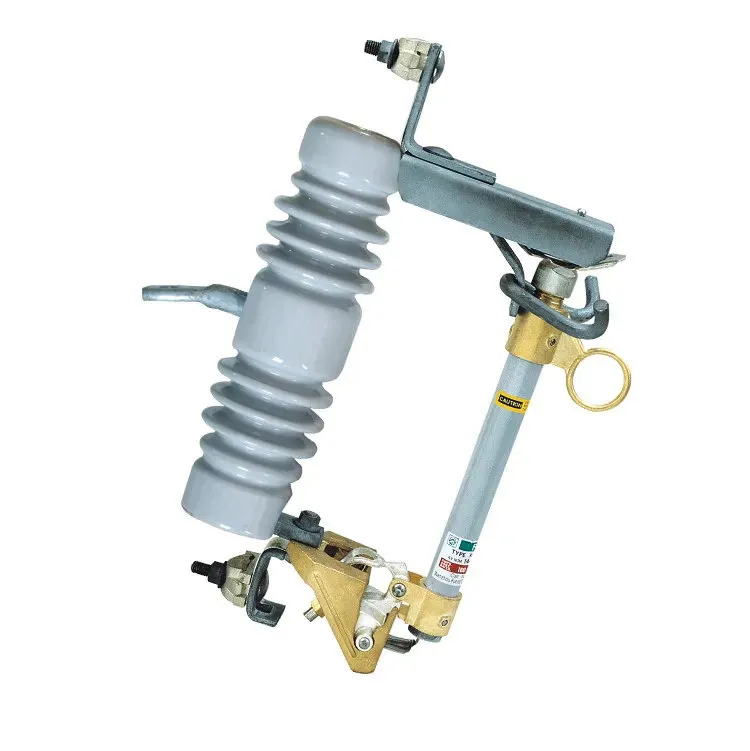
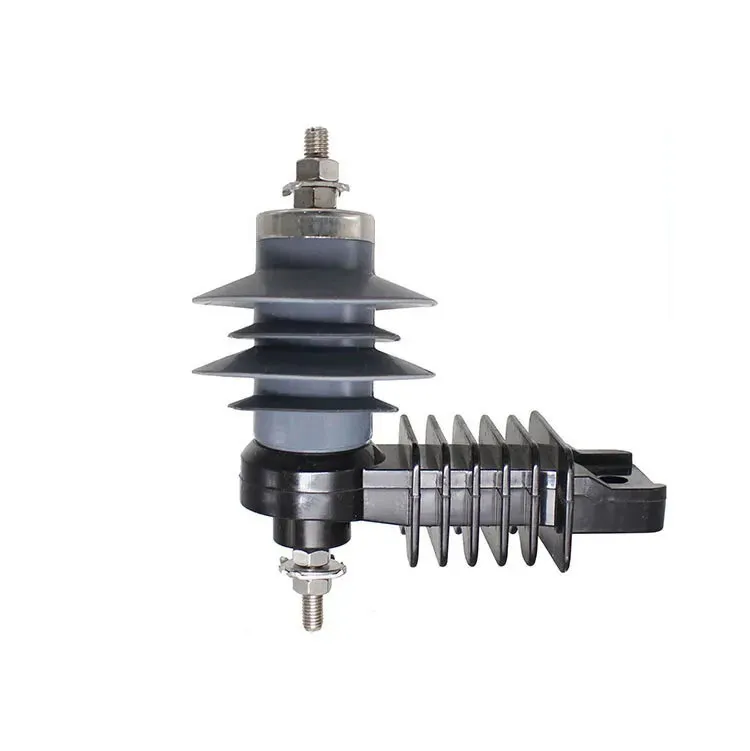
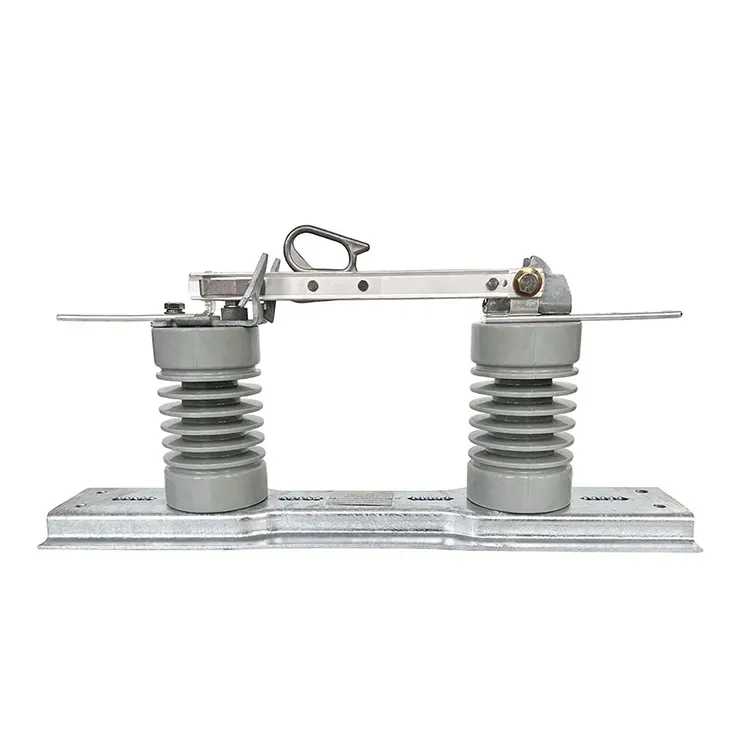
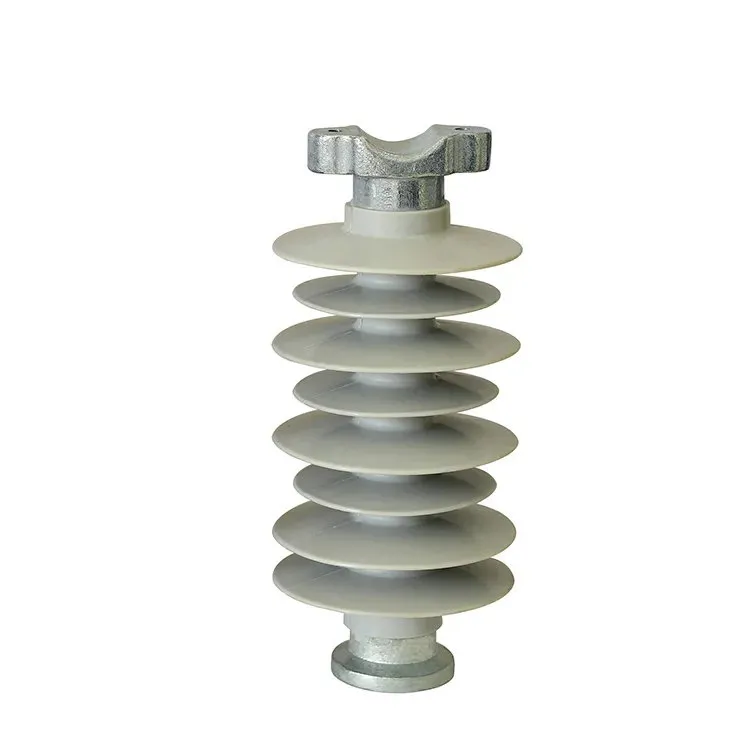
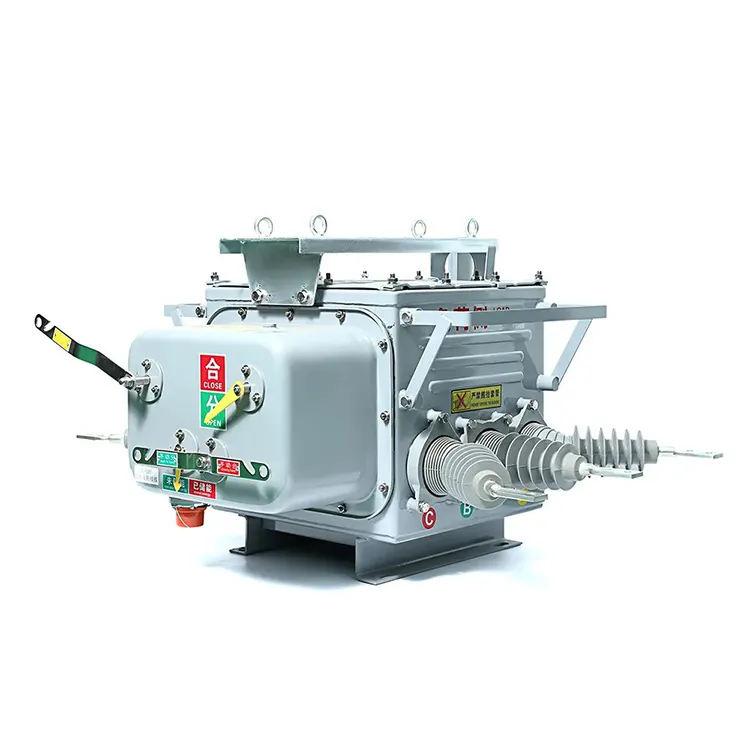
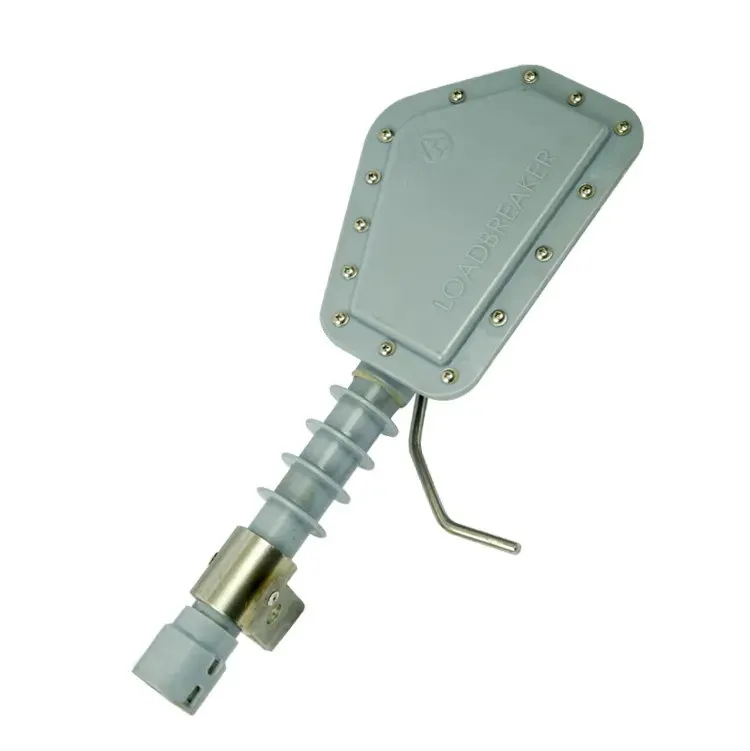


A fuse cutout quotation can look inexpensive until the buyer discovers that one bidder assumed a different voltage class, fuse-link interface, interrupting duty, mounting arrangement, or document scope. A deviation schedule makes those differences visible before price is treated as comparable. IEC 60282-2:2008 provides the high-voltage fuse standard route for expulsion fuses, while the buyer’s project specification still determines the required application and coordination. The useful question is therefore not “Which quote has the lowest number?” but “Which offer answers every baseline line, declares every difference, and leaves no material omission hidden in an attachment?”
What baseline should every fuse cutout bidder receive?
Start with the buyer’s controlled requirement, including document number and revision. The baseline should state the voltage and frequency, continuous-current basis, fault or interrupting duty required by the project, installation environment, mounting and conductor interfaces, fuse-link type or interface, accessories, inspection and test evidence, packing, delivery, and requested deviations format. If a value is intentionally left for supplier confirmation, mark it as an open field instead of allowing each bidder to interpret the blank differently.
- Assign a unique line number to every technical and commercial requirement.
- Name the governing specification and revision for each line.
- Separate mandatory requirements from information requests and options.
- Define the response statuses before quotations arrive.
How should a bidder declare a deviation or omission?
Require one response per baseline line. “Comply” should identify the supporting document or value. A deviation should state the buyer requirement, the offered condition, the reason or limitation where known, and the commercial or technical consequence to be reviewed. An omission should remain an omission; do not silently treat a blank as compliance. A clarification request should name the missing input and the date by which the bidder must answer.

| Baseline line | Bidder response | Buyer action |
|---|---|---|
| Electrical or mechanical requirement | Exact value, identity, and source | Verify against the controlled specification |
| Declared difference | Offered condition and stated impact | Send to technical and commercial review |
| Missing response | Blank, “TBC,” or absent document | Keep open; request a dated answer |
| Option or exclusion | Included, optional, or excluded scope | Normalize total scope before price comparison |
Which differences should remain separate from price?
Normalize commercial scope only after technical differences are visible. A lower price may omit fuse links, mounting hardware, routine documentation, inspection, packing, or delivery terms. A technically different cutout may also require a different fuse-link interface or field arrangement. Record these as separate lines so the buyer can decide whether an alternative is acceptable; do not bury them in a single “price adjustment” column.
Use the fuse-cutout document index to identify expected evidence, then compare the actual supplied references and revisions. A catalogue or public page may support terminology, but it cannot close a bid-specific line that depends on configuration, project conditions, or a controlled drawing.
How can a deviation schedule avoid becoming a protection-coordination decision?
Keep the schedule descriptive. It can show the offered current, voltage class, fuse-link family, interrupting claim, and cited source, but the suitability decision belongs to the project protection study and responsible engineer. Do not mark “compliant” merely because a number is larger or a product image looks similar. If the required fault duty, earthing arrangement, transformer data, or coordination basis is absent, record the gap and request the governing input.

When should the buyer issue the final deviation register?
Issue the deviation register with the RFQ and freeze its baseline revision at bid close. Log clarifications and addenda against their dates, then produce a final bid-comparison copy that retains the original response and the buyer’s disposition. Before award, every mandatory line should be compliant, accepted as a documented deviation, or escalated as unresolved. The decision record should identify who reviewed each open item and which source controlled the conclusion.
For a defined model inquiry, the FUERTE FSC-12-3 route can support document collection. The product route does not approve coordination, installation, or the buyer’s final award.
FAQ: What do buyers ask about quote-deviation schedules?
Why should a fuse cutout quotation not be compared by price alone?
Because price may exclude technical scope, fuse links, accessories, inspection evidence, packing, delivery, or required documents. Those differences must be made visible first.
What counts as a deviation?
Any offered condition that differs from the controlled buyer requirement, including a different value, interface, material, document, delivery scope, or stated limitation.
How should an omission be recorded?
Leave it classified as omission or clarification required, identify the missing line, and request a dated response. Do not infer compliance from silence.
Does the schedule approve protection coordination?
No. It records bid responses. Coordination remains a project engineering decision using the applicable network data and study.
Summary: How should buyers compare fuse cutout quote deviations?
Issue one controlled baseline and give every bidder the same response fields. For each requirement, record the bidder’s exact offered value or document reference, then classify the response as compliant, declared deviation, omission, or clarification required. Compare electrical duty, fuse-link and mounting interfaces, environmental requirements, accessories, inspection and test evidence, delivery scope, and commercial exclusions separately. A fuse cutout quote deviation schedule supports bid comparison; it does not perform protection coordination or authorize installation. A public product page can identify a product family, but the offer must name the exact configuration and supporting documents.
ال FUERTE fuse-cutout range is a route for model-specific questions after the controlled baseline is fixed. Related controls include the fuse-cutout RFQ checklist and receiving-inspection record. IEC 60282-2:2008 should be cited for the relevant expulsion-fuse requirements; project documents must define the system conditions and acceptance process.
Evidence boundary: a deviation schedule exposes what each bid says or omits. It does not prove that a declared rating is suitable for the network, nor does it replace an engineer’s coordination and approval process.
Conclusion: What makes two fuse cutout quotes genuinely comparable?
Comparable quotations share a frozen baseline, line-by-line responses, explicit deviations, visible omissions, and normalized scope. The buyer should first confirm the governing system and project requirements, then verify the offered identity and evidence, and only after that compare total commercial scope. A deviation register prevents a catalogue image or a low headline price from carrying more authority than the controlled specification. It also leaves a clear audit trail when a bidder cannot answer a material question. FUERTE can support a model-specific document request through its fuse-cutout product route after the buyer has defined those conditions, while technical coordination and award approval remain with the responsible project team.