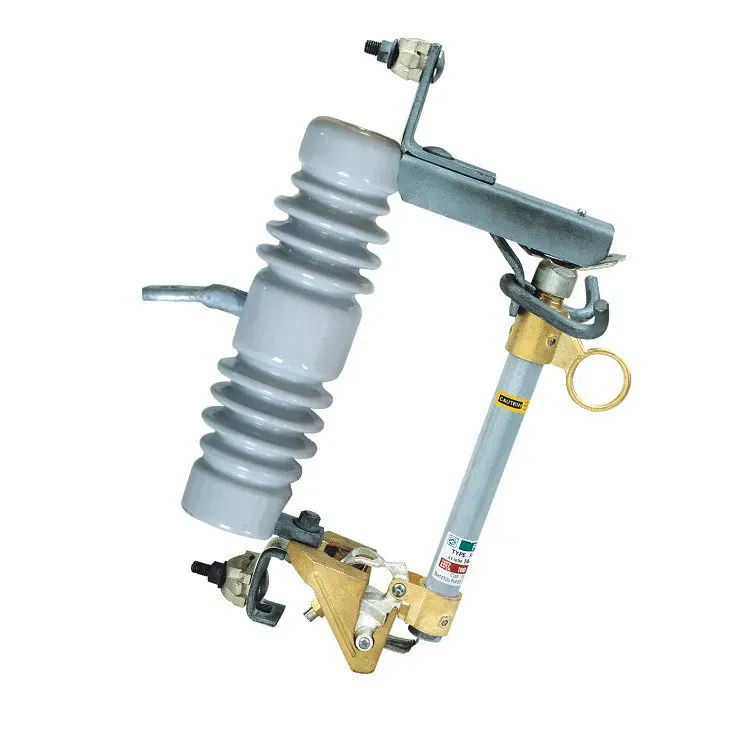
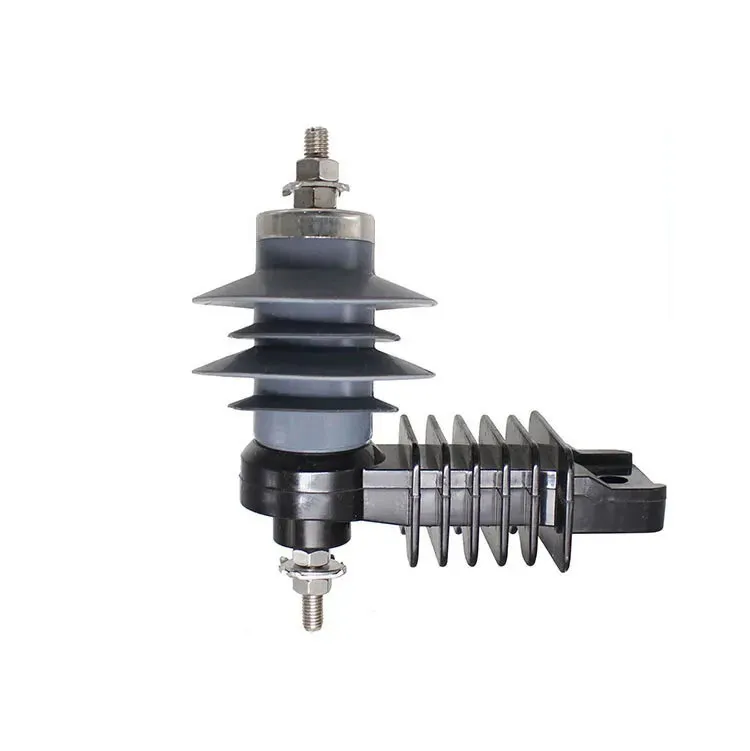
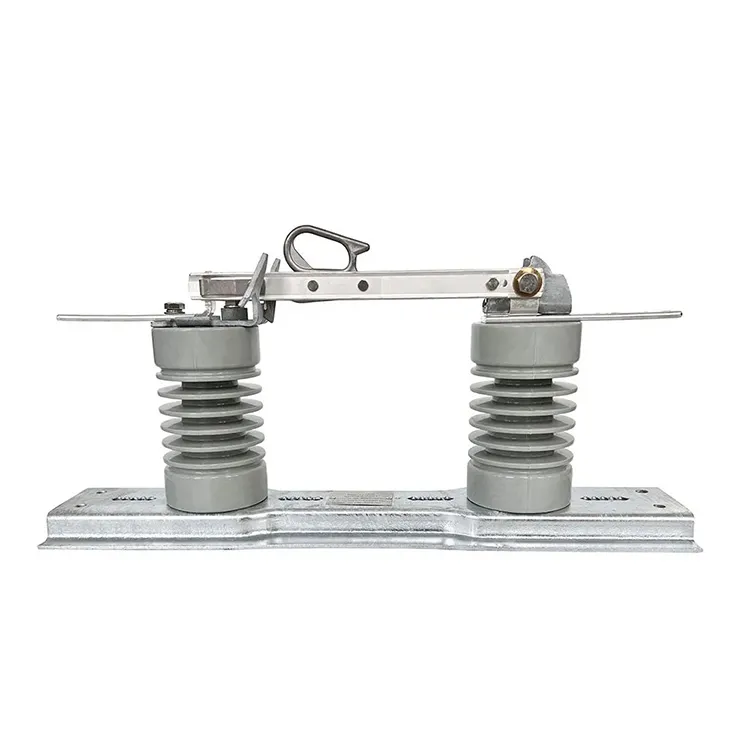
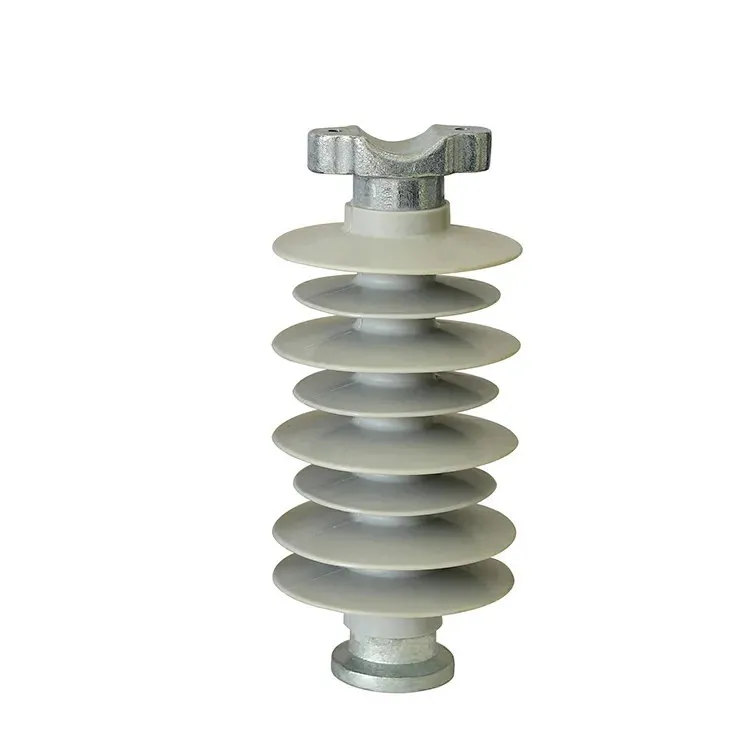
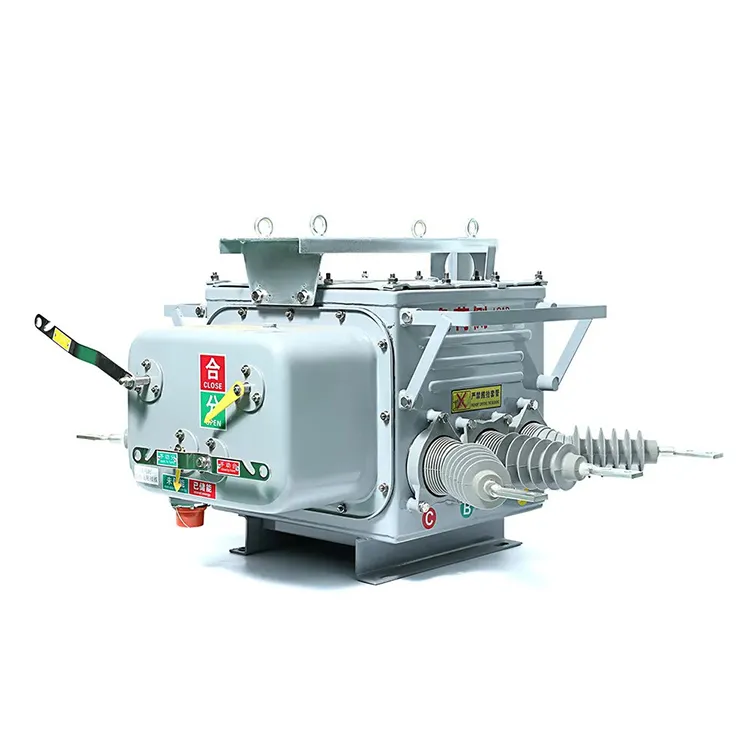
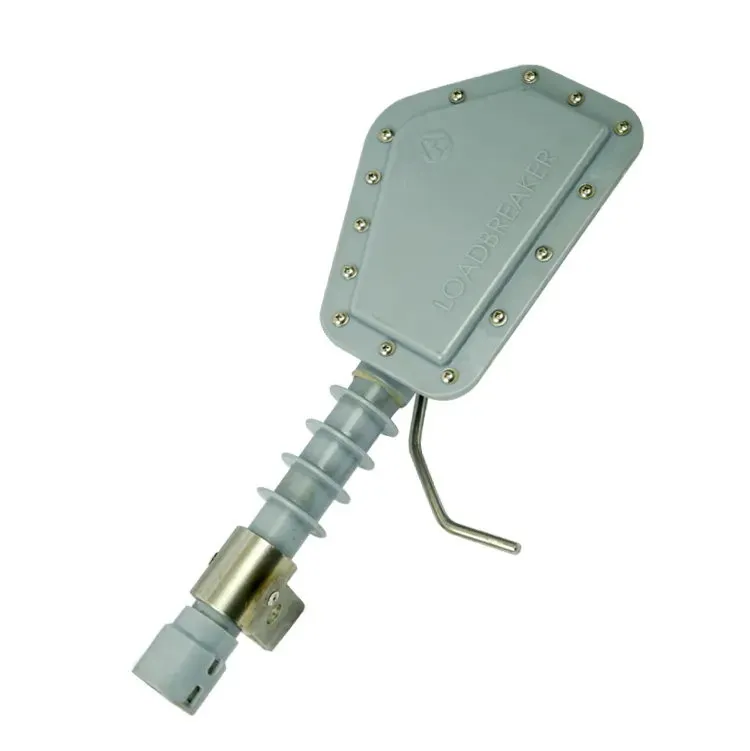

A polymer insulator shed profile is easy to photograph and difficult to specify responsibly. The visible shape can identify what a team is reviewing, but it cannot establish the line role, electrical class, mechanical interface, pollution basis, or required evidence. An effective RFQ therefore starts with the application and uses the profile as one controlled observation.
Summary: A polymer insulator shed profile request should include application, location conditions, model or label reference, interface drawing, and the evidence required for the offered configuration. IEC 61109, IEC 62217, and IEC TS 60815 provide relevant reference frameworks; a profile image alone is not a rating, pollution class, or fit decision.
What should be sent with a shed-profile image?
| Inquiry field | Purpose | Do not assume |
|---|---|---|
| Application and asset role | Defines the engineering context | One role fits another |
| Model or label | Identifies the observed item | Similar image is same model |
| Drawing/interface | Shows mounting and connection | Profile proves fit |
| Environment | Describes site conditions | Location word sets a class |
| Evidence list | Defines supplier response | Approval is implied |
Why does application come before profile?
Pin, suspension, strain, and line-post products transfer loads and connect to hardware differently. State the line or equipment role, conductor arrangement, mechanical requirement, and available drawings before asking a supplier to compare a profile.

How should environmental language be controlled?
Describe coastal, industrial, dusty, wet, or high-altitude conditions as project observations and attach the owner’s assessment method. IEC TS 60815 supports site-pollution dimensioning; it does not let a reviewer assign a performance class from memory.

| Comparison dimension | Evidence to request | Limit |
|---|---|---|
| Profile identity | Model reference and drawing | Photo is not a dimensioned drawing |
| Electrical | Voltage and insulation schedule | Profile does not set rating |
| Mechanical | Load and hardware interface | Shape does not show load path |
| Environment | Site data and method | No invented pollution value |
What should a supplier return?
- Model-specific data sheet, dimensional drawing, and interface confirmation.
- Declared standard basis and applicable test evidence.
- Clarifications for missing site, load, or electrical inputs.
- Deviation list tied to the buyer’s field table.
For related selection context, use the polymer-insulator RFQ checklist and Fuerte’s polymer-insulator category.
Frequently asked questions
Can a shed profile identify the exact model?
It may help identify a family, but a controlled model reference or drawing is needed for an exact match.
Does a larger shed prove better pollution performance?
No. Performance depends on design, site conditions, and the specified evaluation basis. Request evidence tied to the offered model.
What application details are essential?
State line or equipment role, mounting hardware, conductor arrangement, electrical basis, and mechanical requirement.
Can a supplier approve a product from a photo?
A photo supports identification and clarification. Approval requires the project inputs and responsible engineering review.
Conclusion
A shed profile is one observation inside an evidence package. Start with application, electrical and mechanical inputs, interface, and site conditions; then use the profile and drawing to verify the offered configuration. Do not turn a photograph into a rating, pollution class, or replacement conclusion. Fuerte can review a documented request through its polymer-insulator route, while project approval remains with the owner’s engineering process.